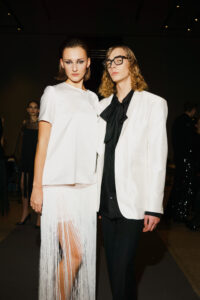
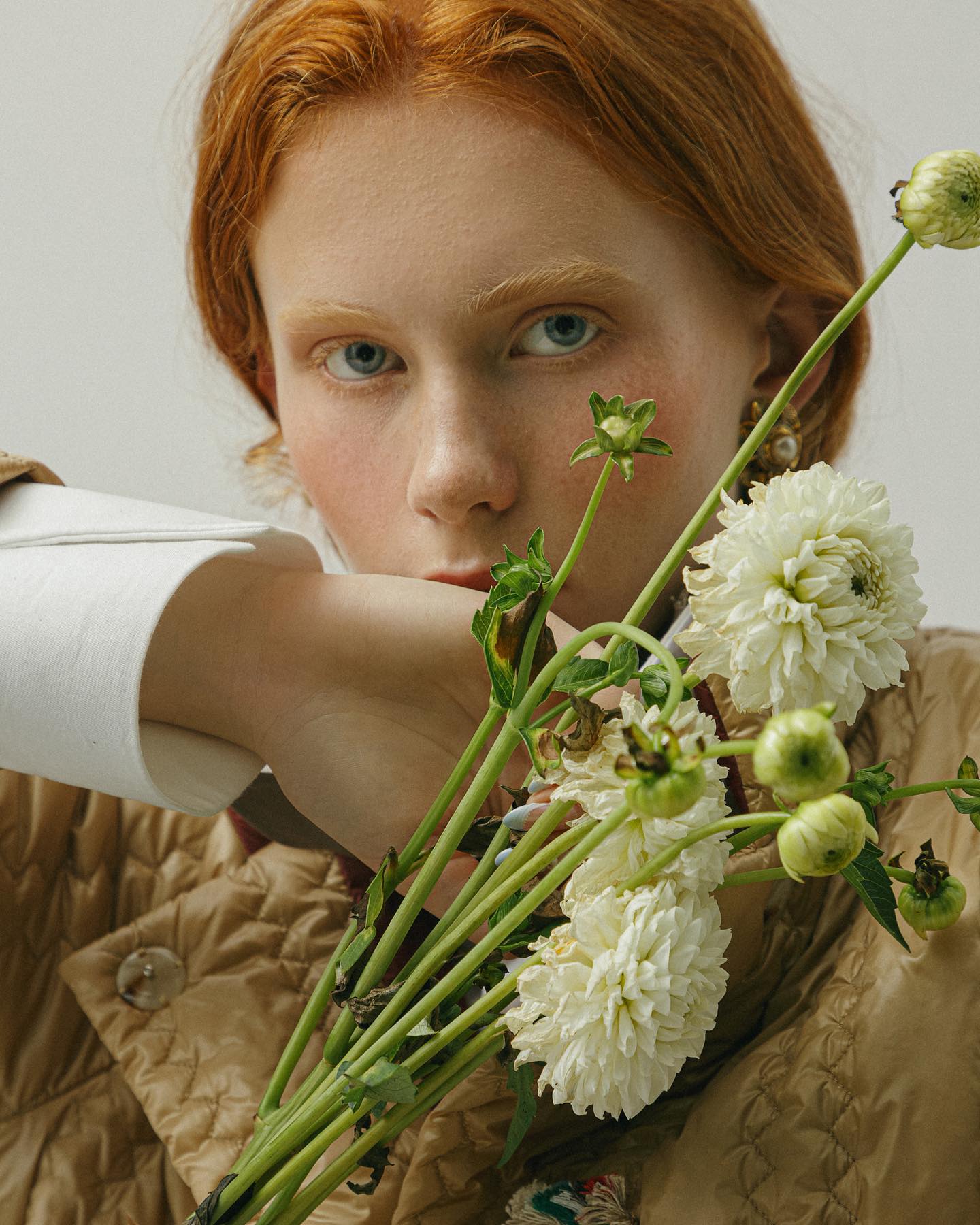
Foto: Latvian fashion brand Anna Led.




“I am filled with joy and pride that our project, into which we pour all our energy and soul, is celebrating its anniversary. Starting in 2004 with shows in a small space that used to be the showroom of the Riga Fashion House, Riga Fashion Week events have always been held in the most interesting locations — the Small Guild building, the Riga Stock Exchange, later at Rīgas Mākslas telpa, the legendary hall of the Latvija hotel, under the roof of the Podium shopping complex, and finally, in today’s modern cultural venue Hanzas Perons. Among the most unusual venues were the Motor Museum, the food court of the Central Market Gastro Tirgus, the repair and mechanical shop of the REZ factory, and even the waiting hall of Riga International Airport. Over the years, we have held 670 shows, where designers from Italy, France, Spain, Ukraine, Uzbekistan, Poland, Portugal, Belgium, Germany, North Macedonia, Sweden, Finland, Denmark, Norway, and of course, Latvia, Lithuania, and Estonia, presented their runway collections. It’s hard to believe so much has been accomplished,” says Elena Strahova, President of the Baltic Fashion Federation.
For twenty years, Riga Fashion Week has been preserving and promoting Latvia’s cultural heritage through fashion — supporting traditions and presenting them to the modern world, demonstrating that cultural heritage can be stylish, relevant, and in demand. Each season, the Fashion Week program is enriched with new names — local debutants and international brands. The country’s main runway not only serves as a launchpad for young talents into the global fashion world but also attracts international industry experts — journalists, buyers, and influencers, contributing to Riga’s image as a fashion capital and strengthening intercultural connections. Many Latvian brands have made a name for themselves on the international stage thanks to their participation in RFW. Nearly two thousand publications in foreign media alone, many of which are top European fashion outlets: Vogue Italia, Schön! Magazine, Elle, TextilWirtschaft, J’N’C Magazine, the European portal FashionUnited, Cosmopolitan Italia, Marie Claire, Fashion Channel, and the global news channel Euronews, among many others.
“My clothing brand debuted during the very first Fashion Week, and in just a few weeks, the latest collection will be presented at the 39th RFW. Over all these years, not only have I grown professionally, but Riga Fashion Week has also become more extensive and international. A fashion show, for me, is also an opportunity for self-reflection and improving my outlook on the world. I am happy that every year, thanks to RFW, I get to understand myself better,” comments Natalija Jansone, designer of the brand Natalija Jansone.
“Riga Fashion Week is the main fashion event in Latvia. When we participated in the first one with stockings, we needed to create an outfit so that the models wouldn’t walk the runway naked. This led to us starting to make bodysuits, which remain the core product of the Amoralle brand to this day. The RFW team has always supported all of our creative ideas — carpets, roses, feathers, etc. In their work, we’ve always felt a sense of support,” says Inese Ozola, founder of the brand Amoralle.
“My collections are a riot of bright colors and intricate hand-embroidery. Initially, I wasn’t sure if the Latvian audience was my target market, as there was a preconceived notion that local preferences leaned towards calm, natural tones. However, after my first participation in RFW, the number of clients from the Baltic countries sharply increased. As it turned out, Europeans are eager to choose a color palette that even surprised me. I design my collections in a way that the clothes are wearable and represent a fusion of East and West,” shares Zuhra Inat, founder of the brand Moel Bosh.
One of the leading themes over the past few seasons has been conscious consumption and sustainable development. A key example of these efforts is the collaboration with Stockmann Riga department store, where a series of seminars with international industry experts was organized to discuss current issues and innovative solutions in sustainable fashion, including zero-waste production. Through such seminars and discussions, RFW not only provides a platform for designers to stay informed about implementing new eco-friendly practices in their work but also educates local consumers about the importance and benefits of sustainable fashion.
Keeping up with the times, the organizers of Fashion Week are now focusing on another trending direction — technology and artificial intelligence. For the past few seasons, the image of the Baltic’s main fashion event has been created using neural networks. During the global pandemic, when it was impossible to hold in-person shows for foreign designers, RFW became the first in the Baltics to organize an interactive VR show featuring collections from students of the Ukrainian digital fashion school Pushka School, which made a strong impression on the event’s guests.
The organizers note that the use of digital technologies allows them to push the boundaries of creativity, explore new horizons in the fashion world, and even get a glimpse into the future. Speaking of the future, they plan to attract even more international experts, designers, and media representatives, with the goal of promoting not only the fashion industry and local designers but also raising Latvia’s profile on the international stage and strengthening cultural connections.
This objective is already being successfully realized. Among the visitors of Riga Fashion Week are high-profile guests, including the Prime Minister of Latvia, members of the Latvian Parliament and Riga City Council, ambassadors from countries such as the U.S., Italy, Japan, Norway, and Canada, a record number of influencers, as well as stars from the world of music, theater, and television, underscoring the national significance of the event. This is crucial support and recognition for designers and the fashion industry as a whole.
Riga Fashion Week will take place from October 28 to 31, bringing together talented newcomers and renowned fashion masters on one runway.

„Eesti moe tugevus on selle omanäolisus – meil on väga erineva käekirjaga loojaid, kes ei püüa lihtsalt trende järgida, vaid kujundavad järjekindlalt omaenda visuaalset keelt. Sügisene Tallinn Fashion Week annab hea võimaluse näha, kuhu meie moekunst praegu liigub: laval kohtuvad värsked ideed, tugev autorikäekiri ja oskus luua rõivaid, millel on tähendus ka väljaspool üht hooaega,“ ütleb Tallinn Fashion Weeki peakorraldaja Anu Kikas. „Sama oluline on meie jaoks tuua disainerid ja publik päriselt kokku. Moeetendus ei ole ainult uue kollektsiooni esitlus, vaid hetk, kus looming saab konteksti, emotsiooni ja vahetu tagasiside. Just selline elav kontakt aitab Eesti moel kasvada ja jõuda uute inimesteni.“
Sügisese moenädala üheks keskseks sündmuseks on traditsiooniline Kuldnõela gala, kus antakse üle Eesti moedisaini ihaldatuimad auhinnad. Kuldnõelaga pärjatakse viimase viie aasta jooksul silma paistnud moelooja ning Hõbenõelaga tunnustatakse viimase aasta jooksul jõuliselt esile tõusnud disainerit. Kuldnõela on välja antud alates 1996. aastast ning sellest on kujunenud Eesti üks olulisemaid moeauhindu.
Tänavused Kuldnõela nominendid on Lilli Jahilo, Karl Korsar ja Maria Tammeorg.
Hõbenõelale on nomineeritud Britten Pärkson, Mari Lemet ja Sille Randviir.
Tallinn Fashion Weeki sügis 2026 programm:
Kolmapäev, 28. oktoober
19.00 Mairo Seire, Hannabel Kaal, Joanne-Heleene Sõrmus
20.30 Kaubamaja esitleb: Kuldnõel
Neljapäev, 29. oktoober
17.30 Skeleton by Auria Nurm, Kristina Oja, Althea
19.00 Sibille Maask, Iris Janvier
20.30 Siret Design, Kirill Safonov
Reede, 30. oktoober
17.30 Hertta, Peakera
19.00 Brand NO.8, Piret Kuresaar
20.30 Karl-Christoph Rebane
Uuri lisa tfw.ee.
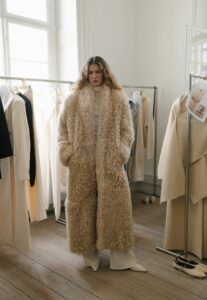
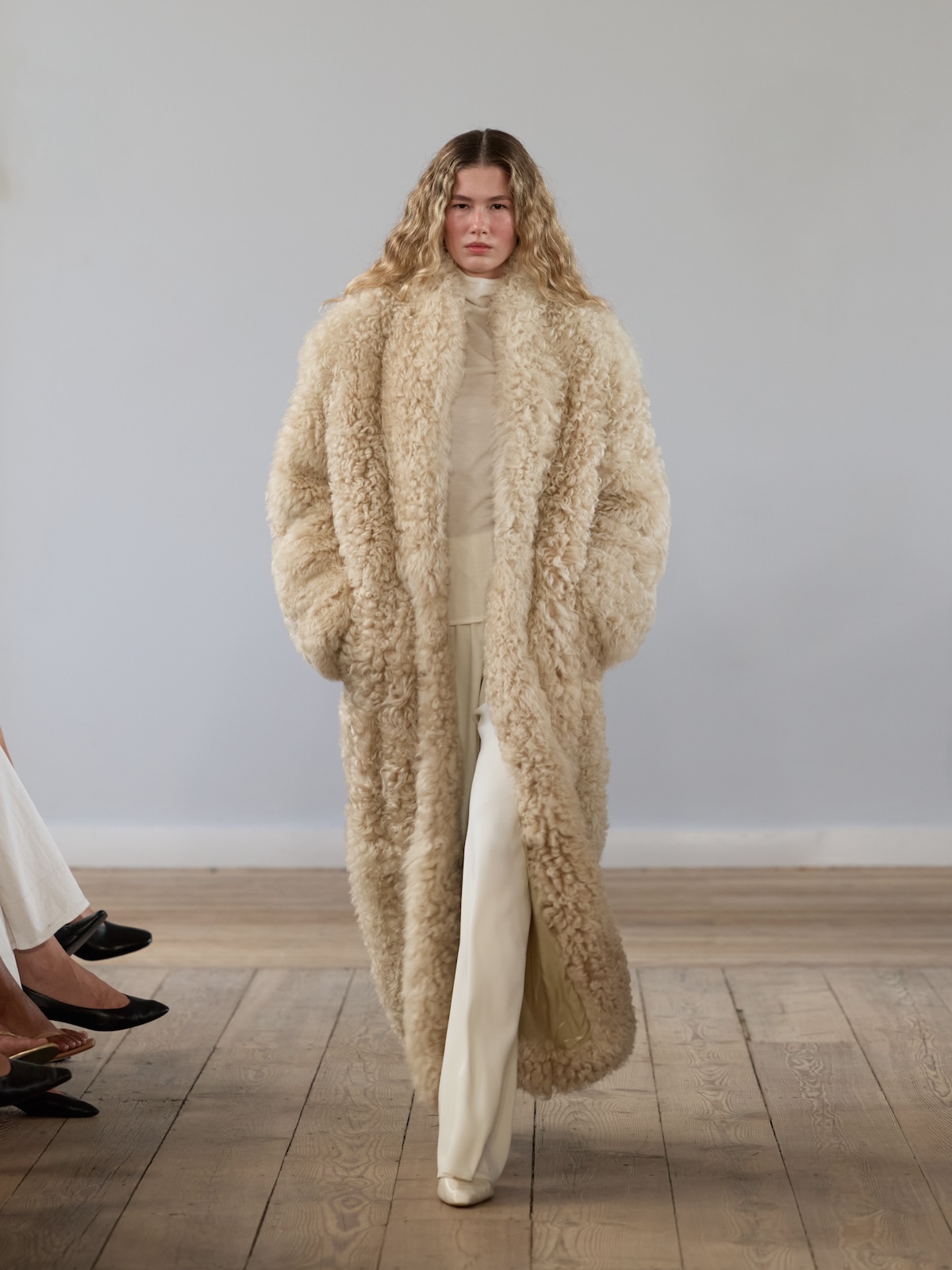
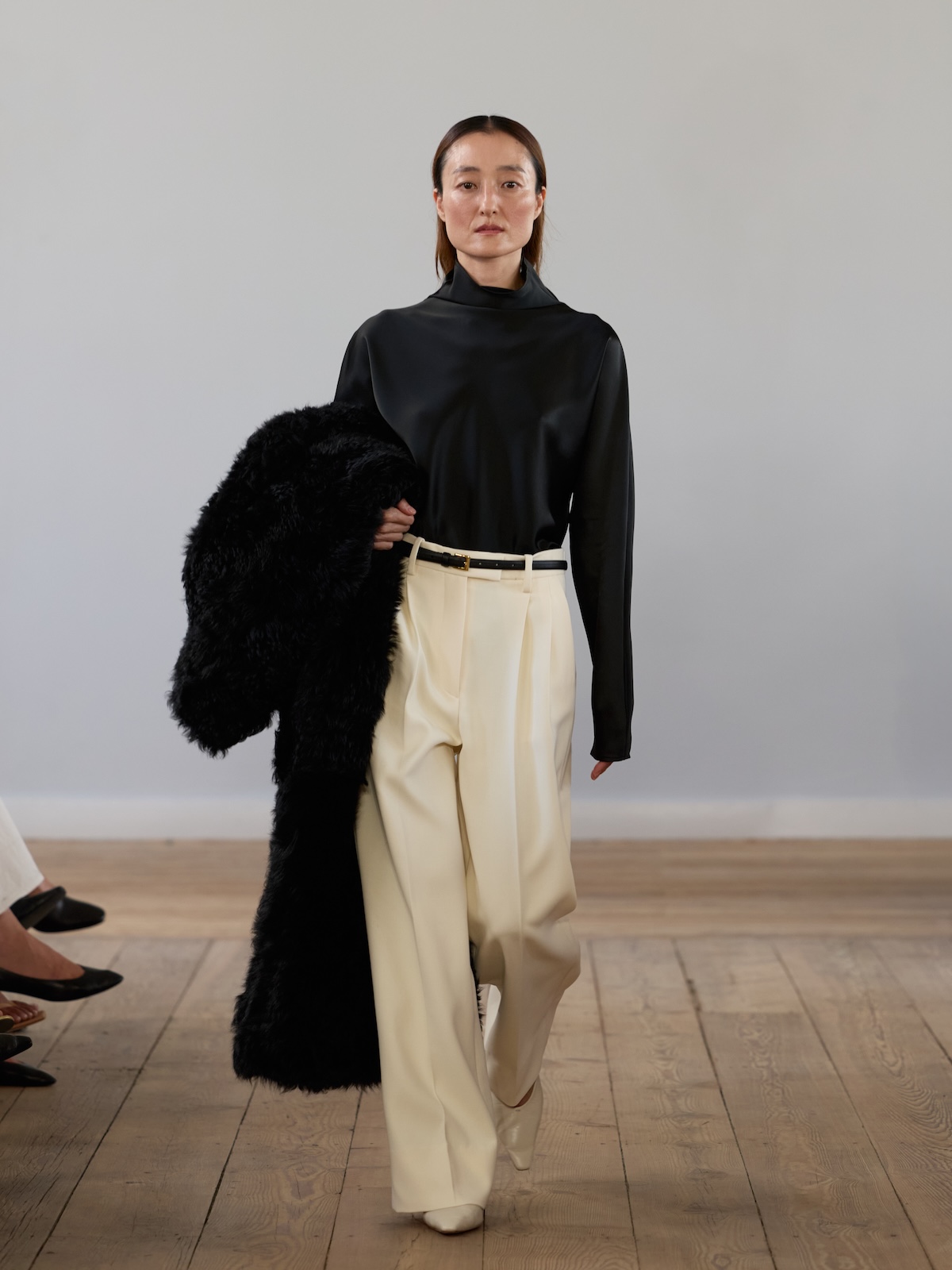
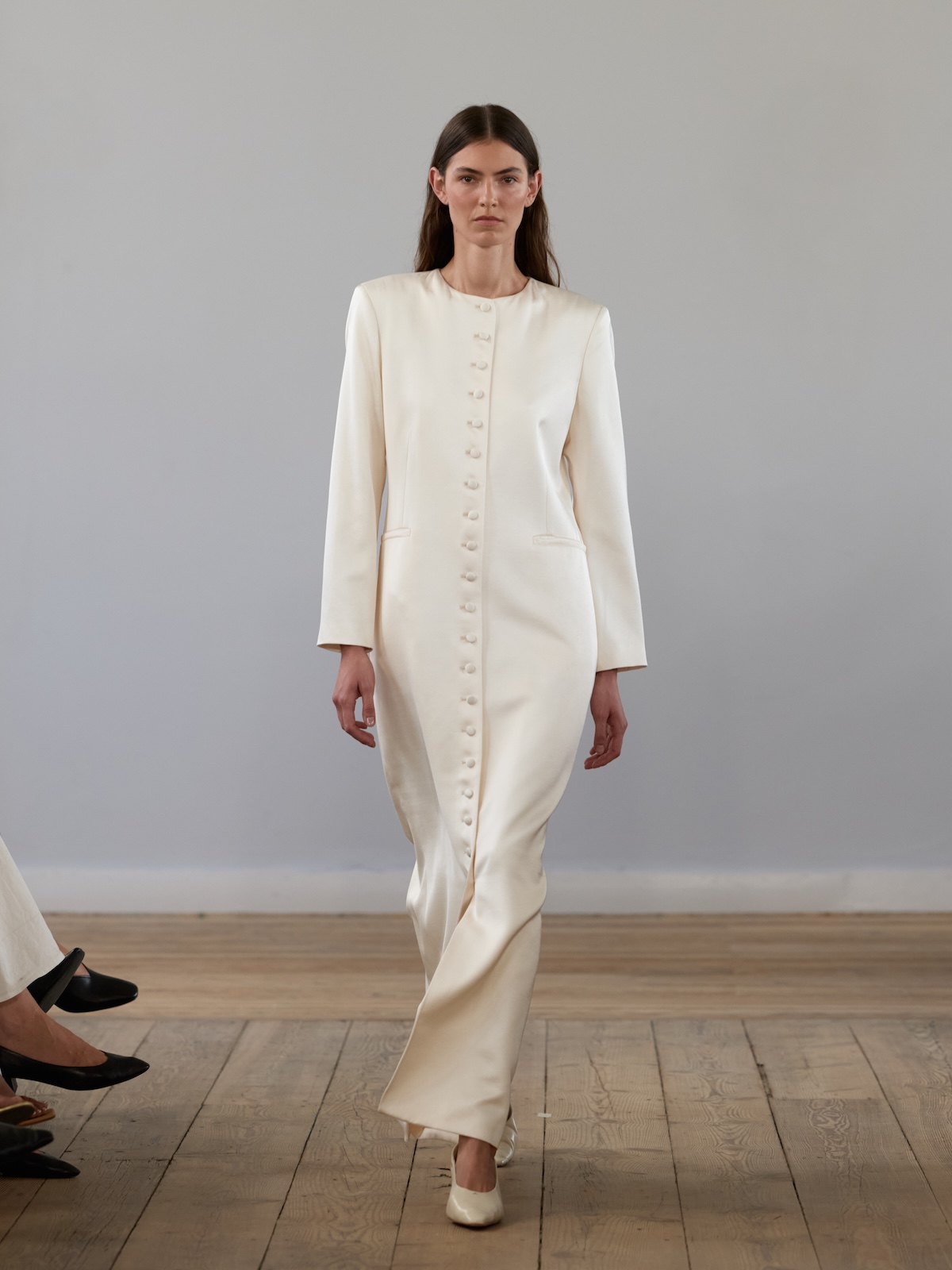
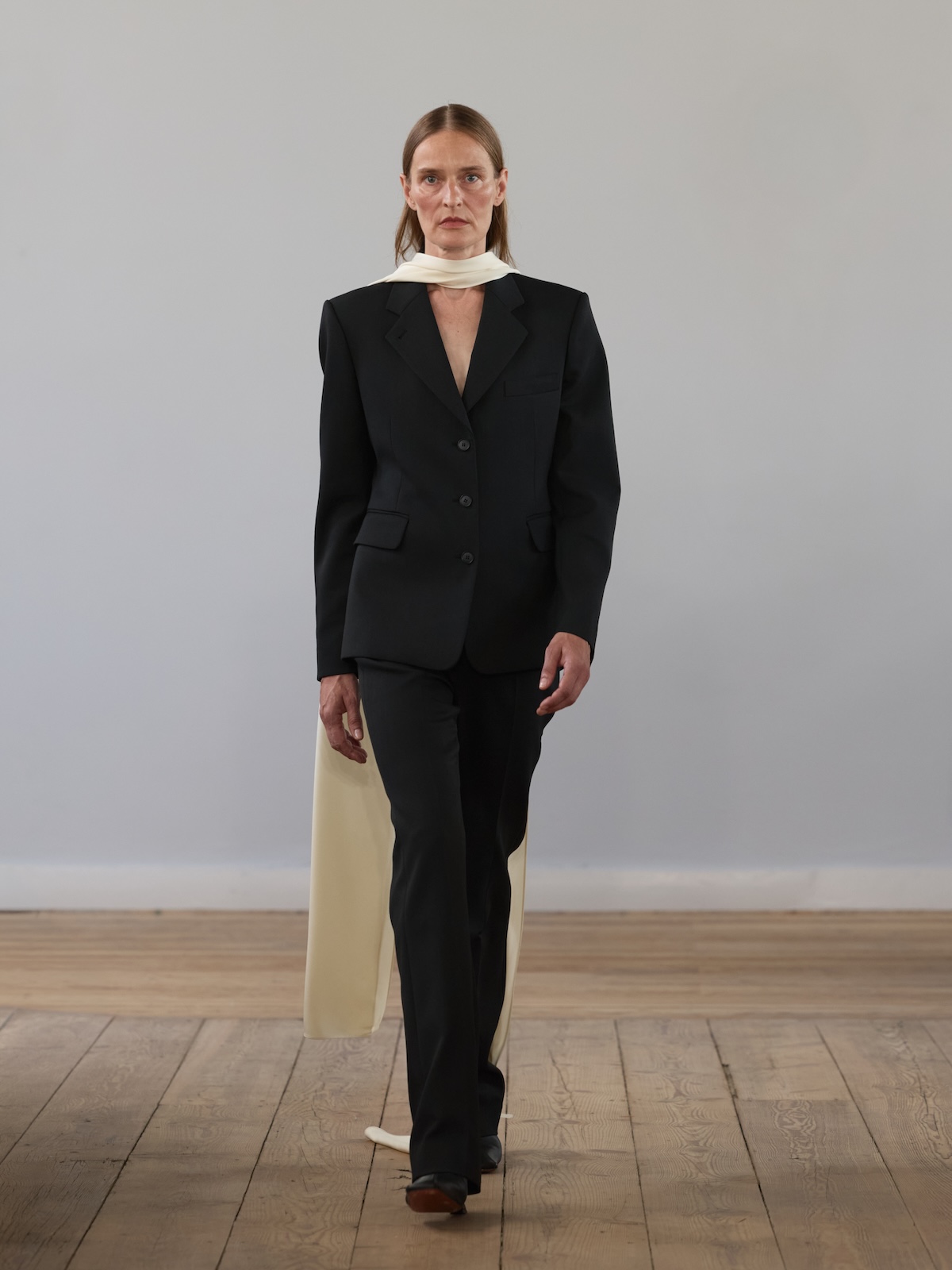
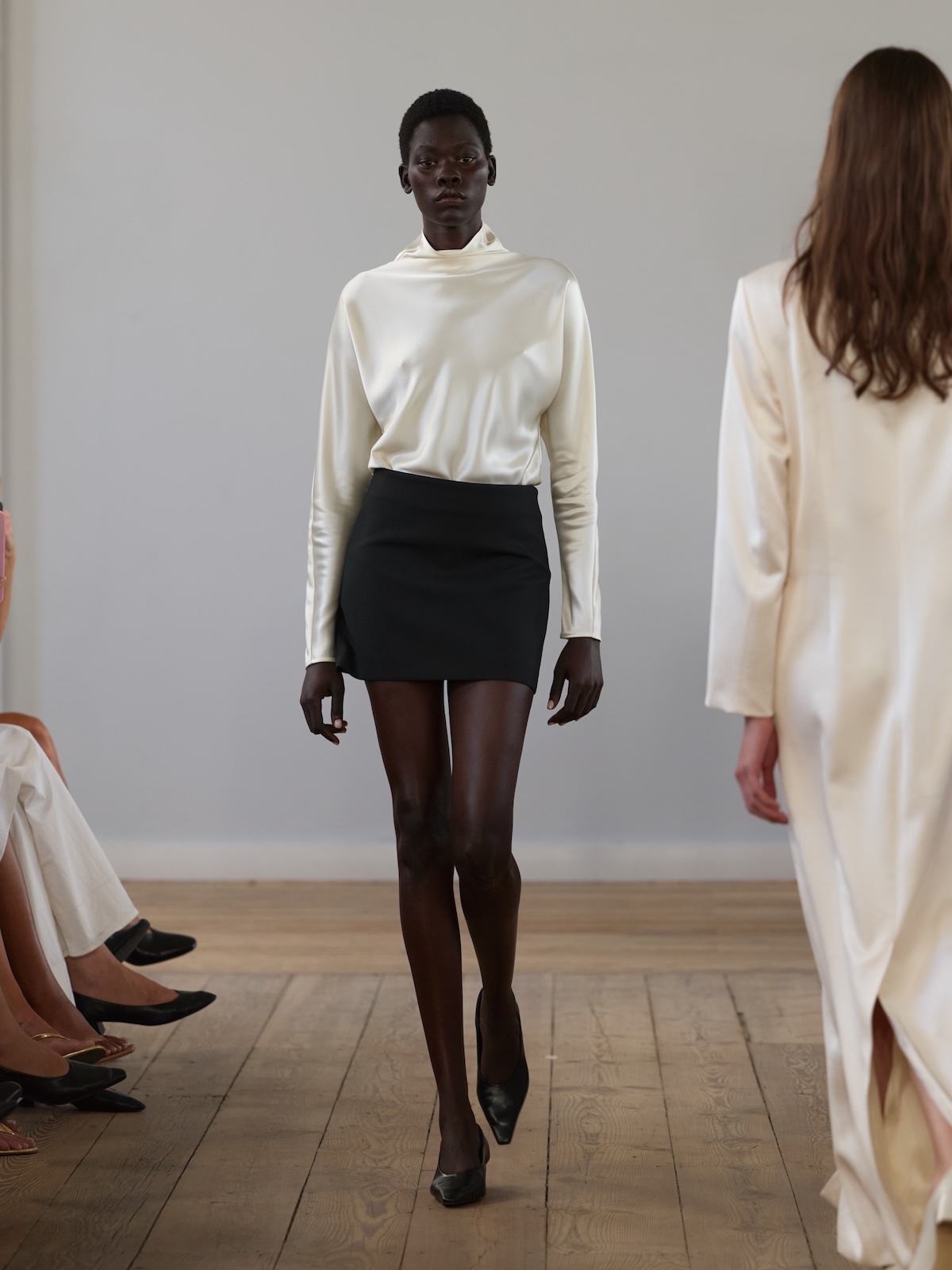
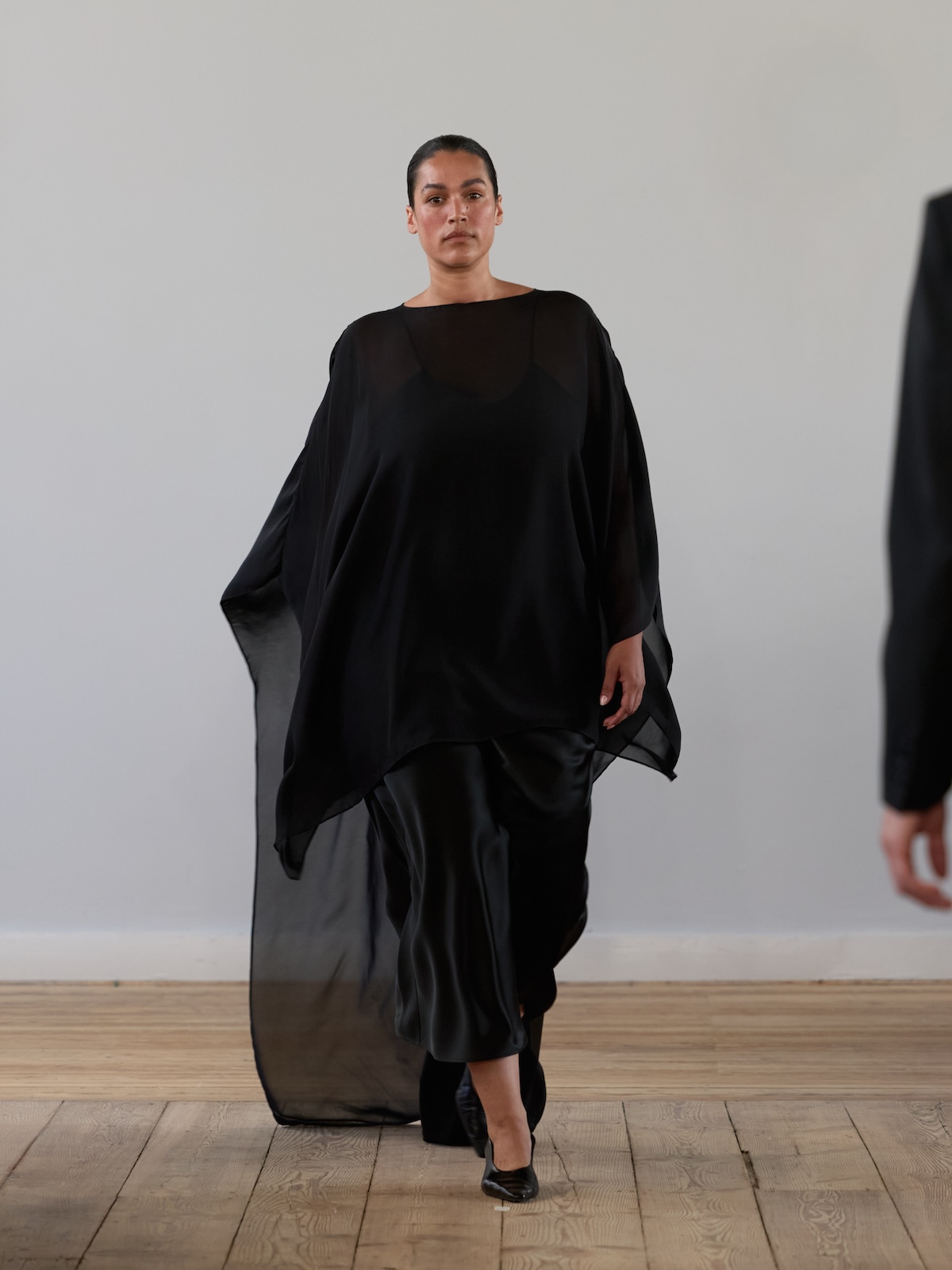
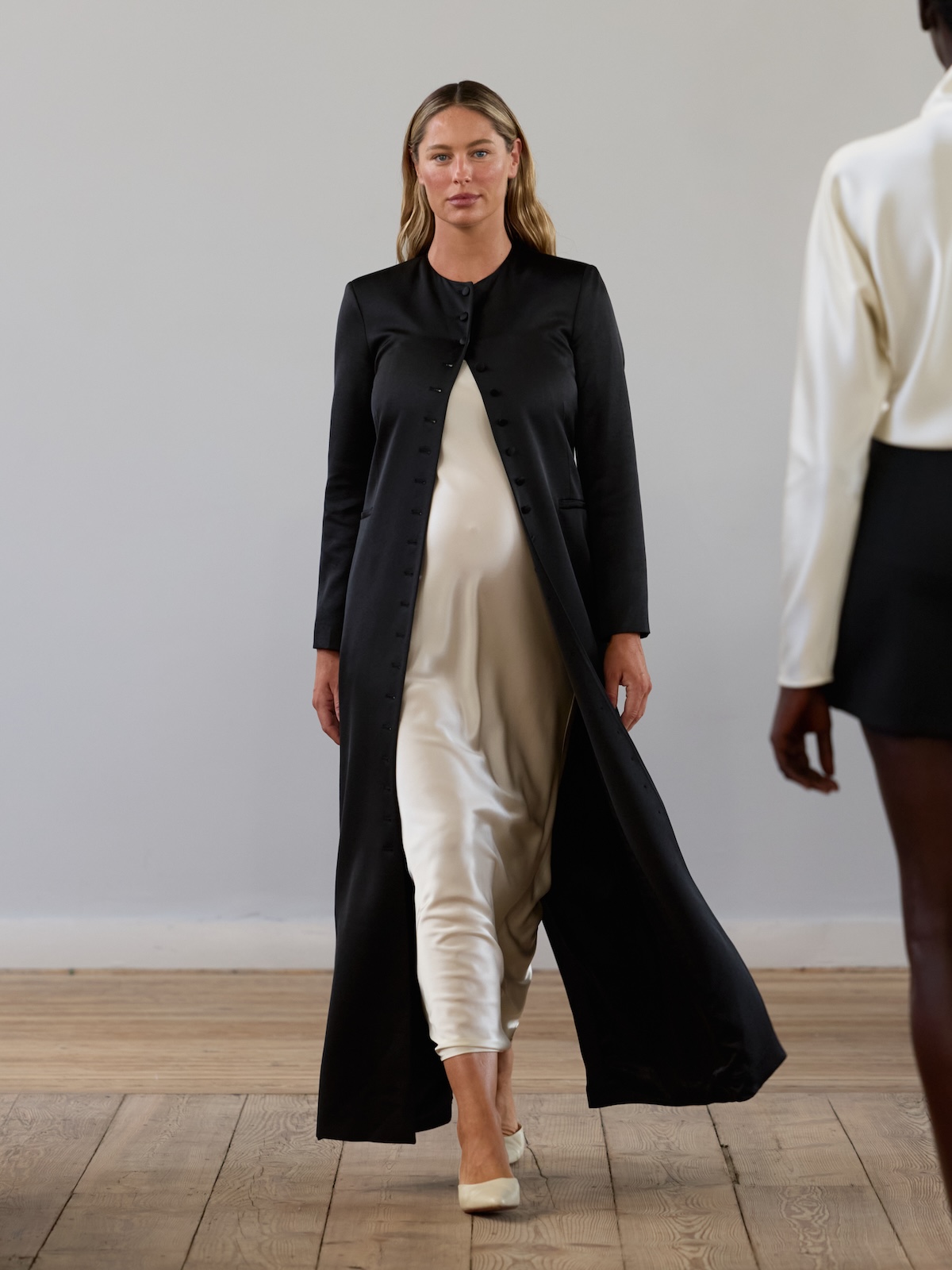
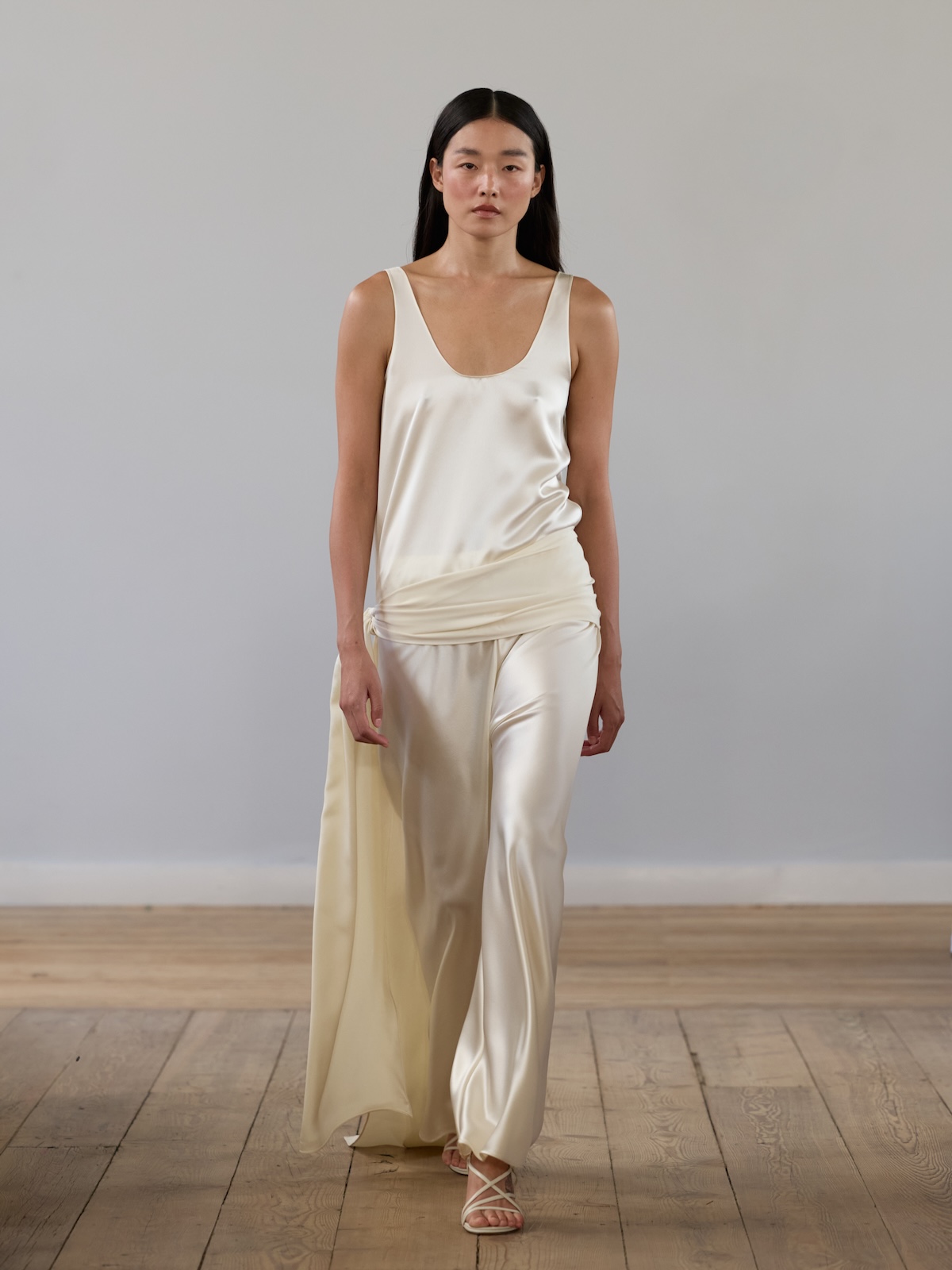
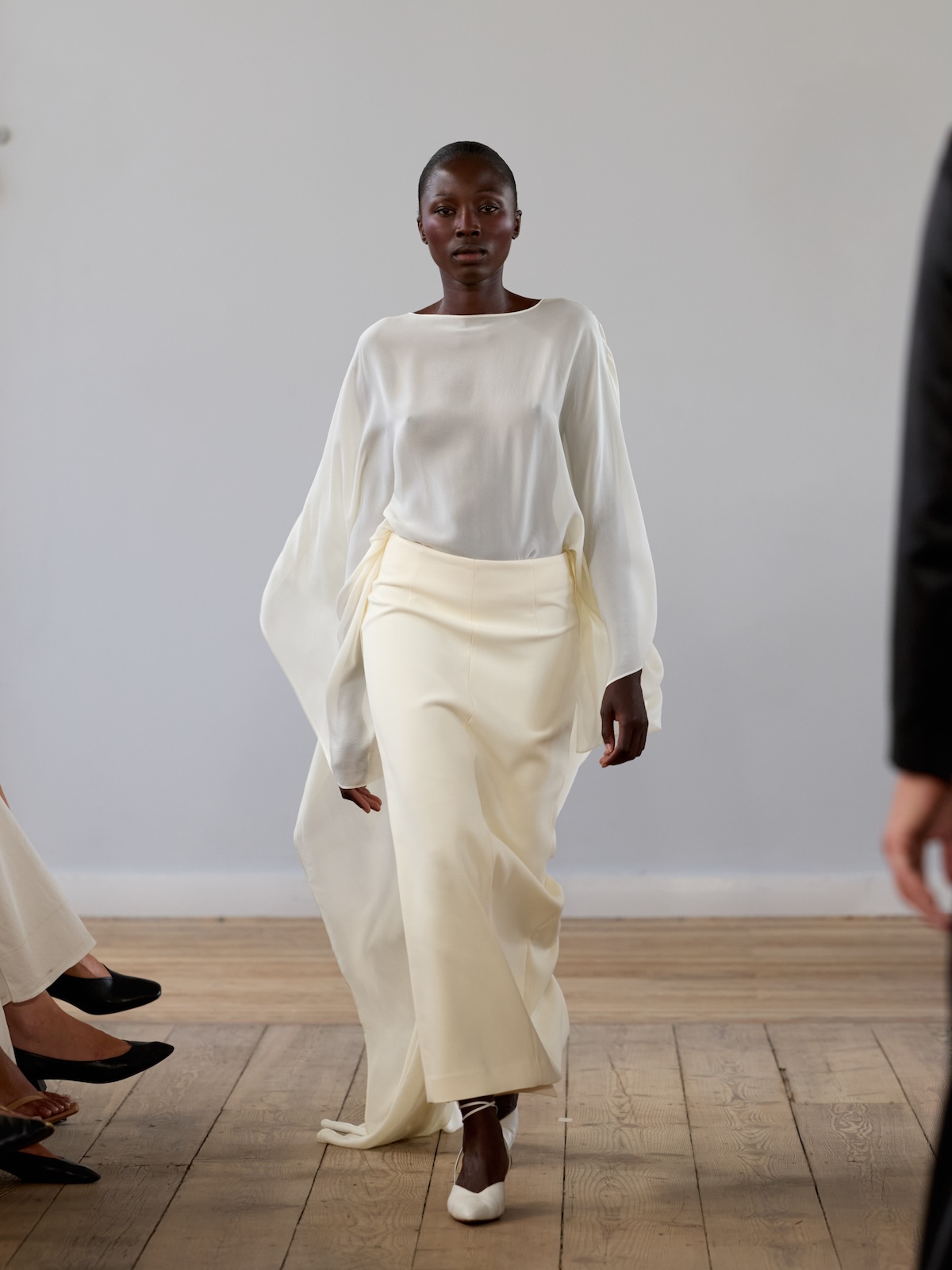
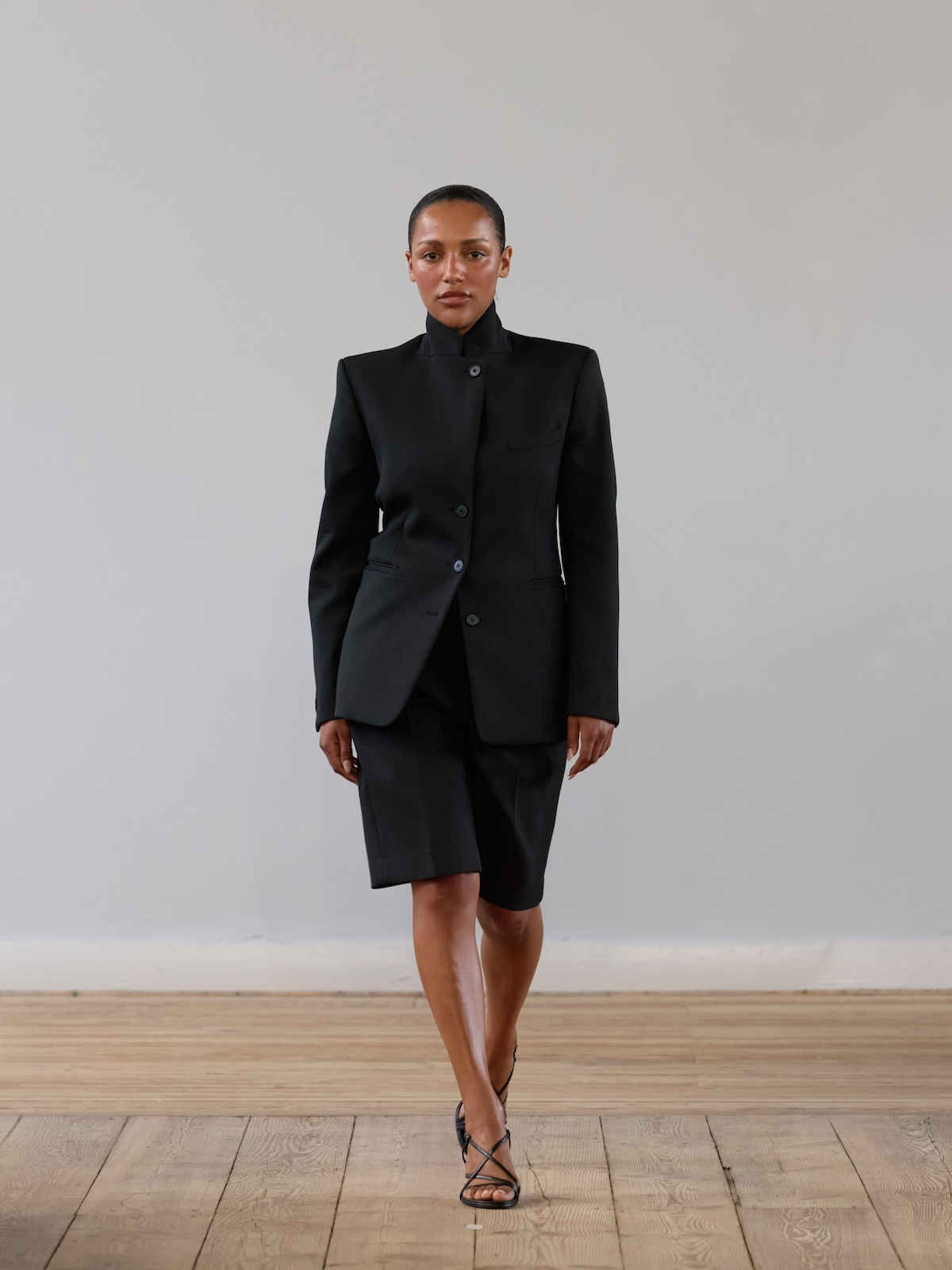
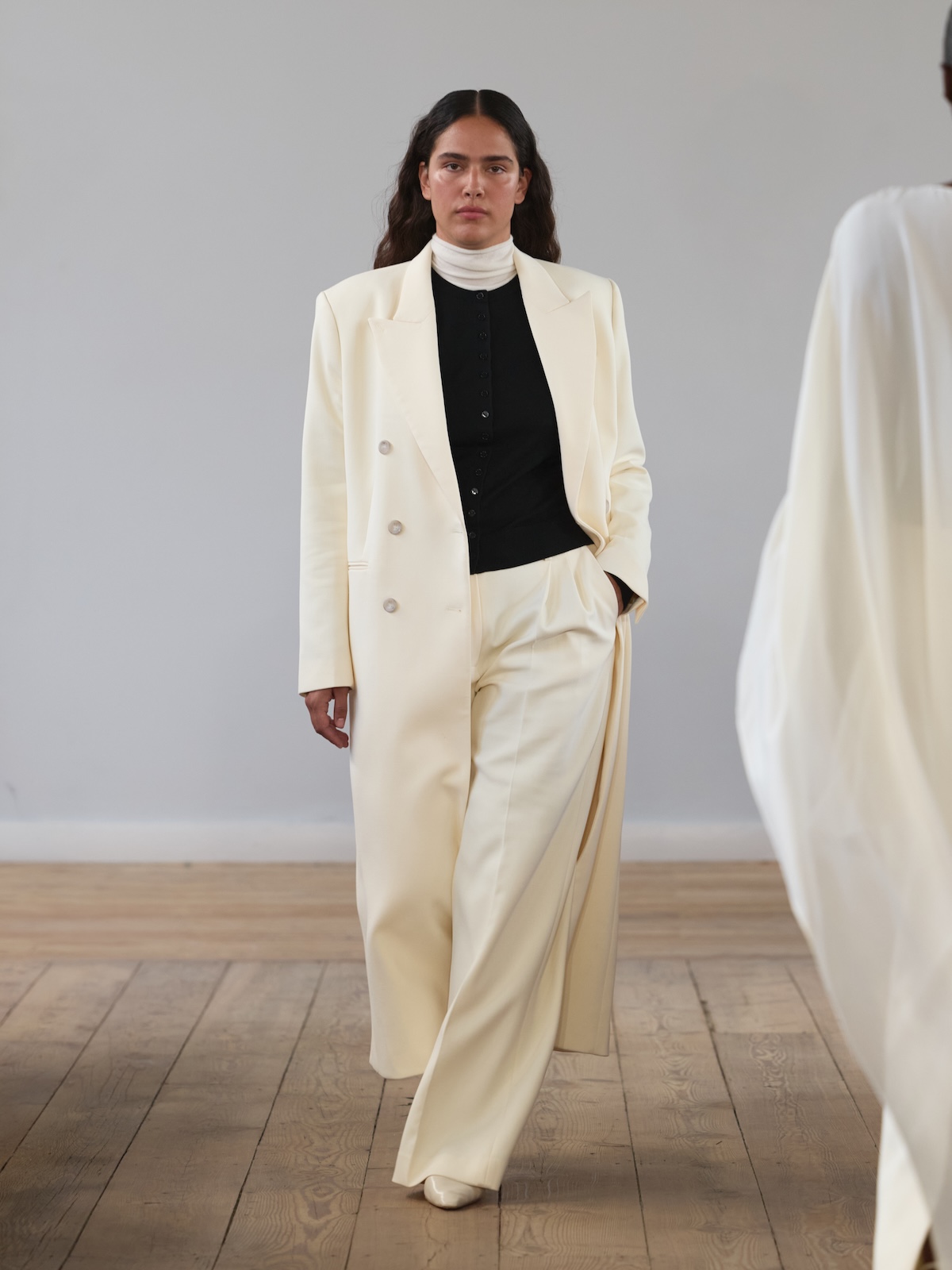
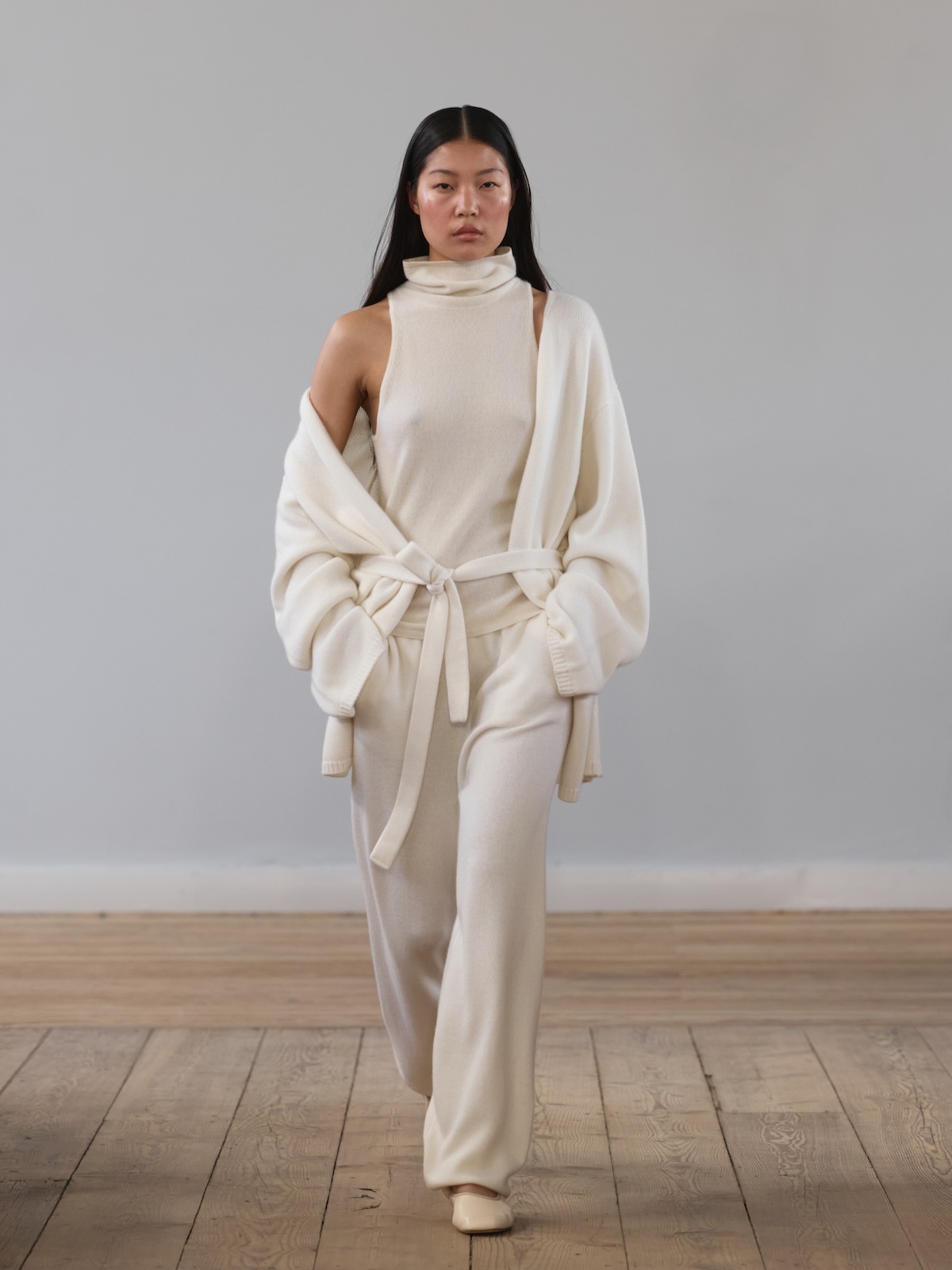
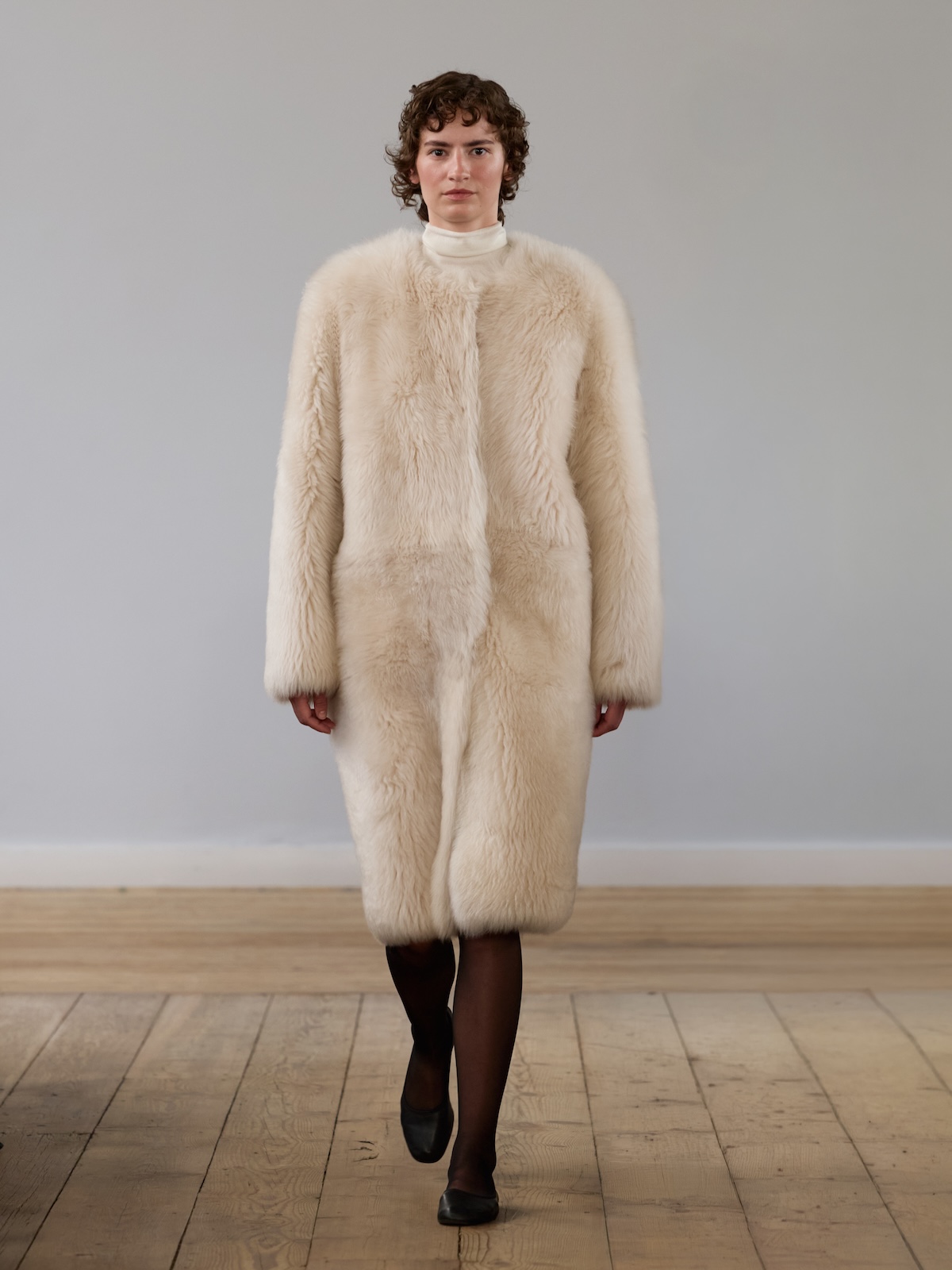
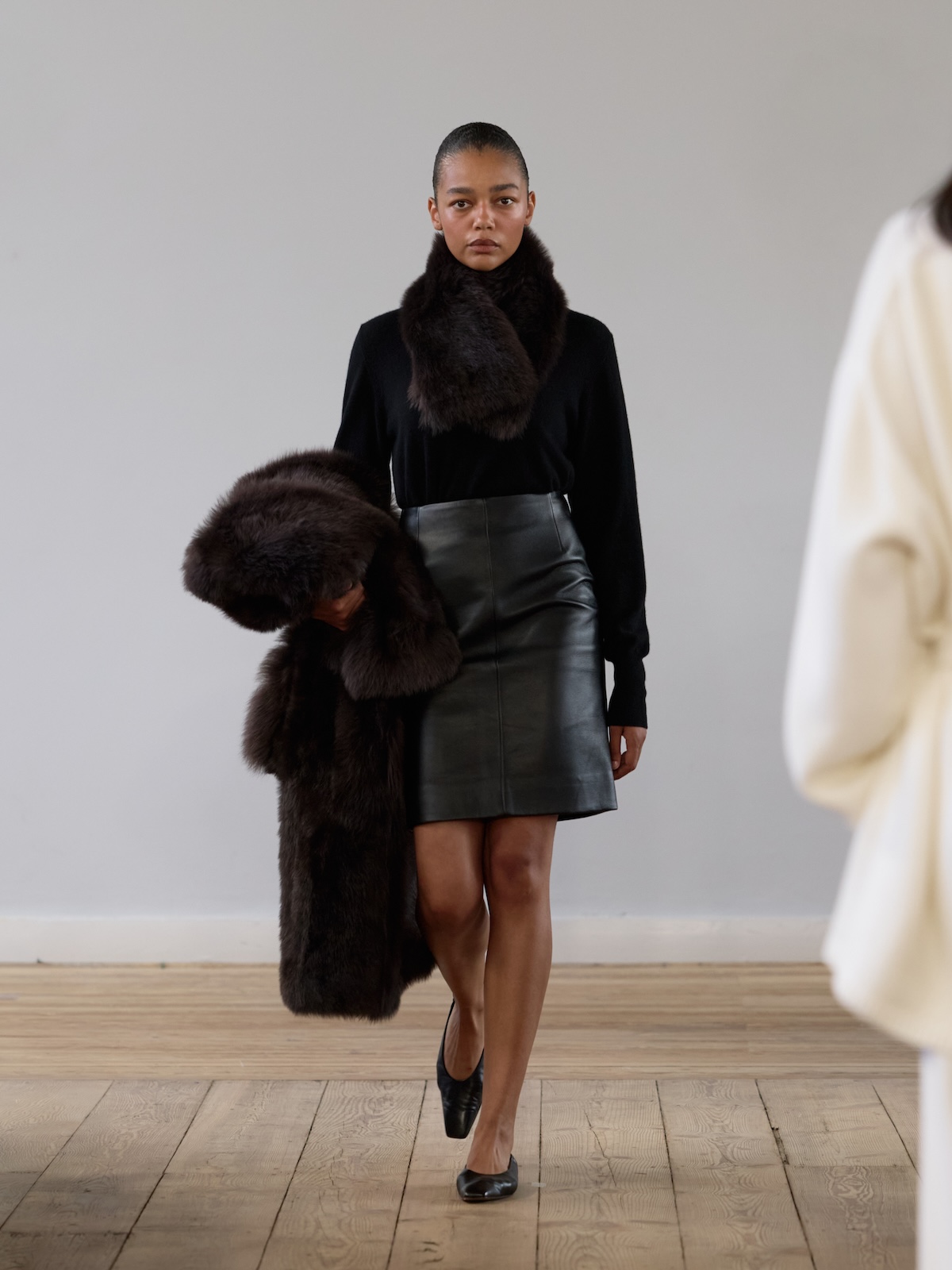
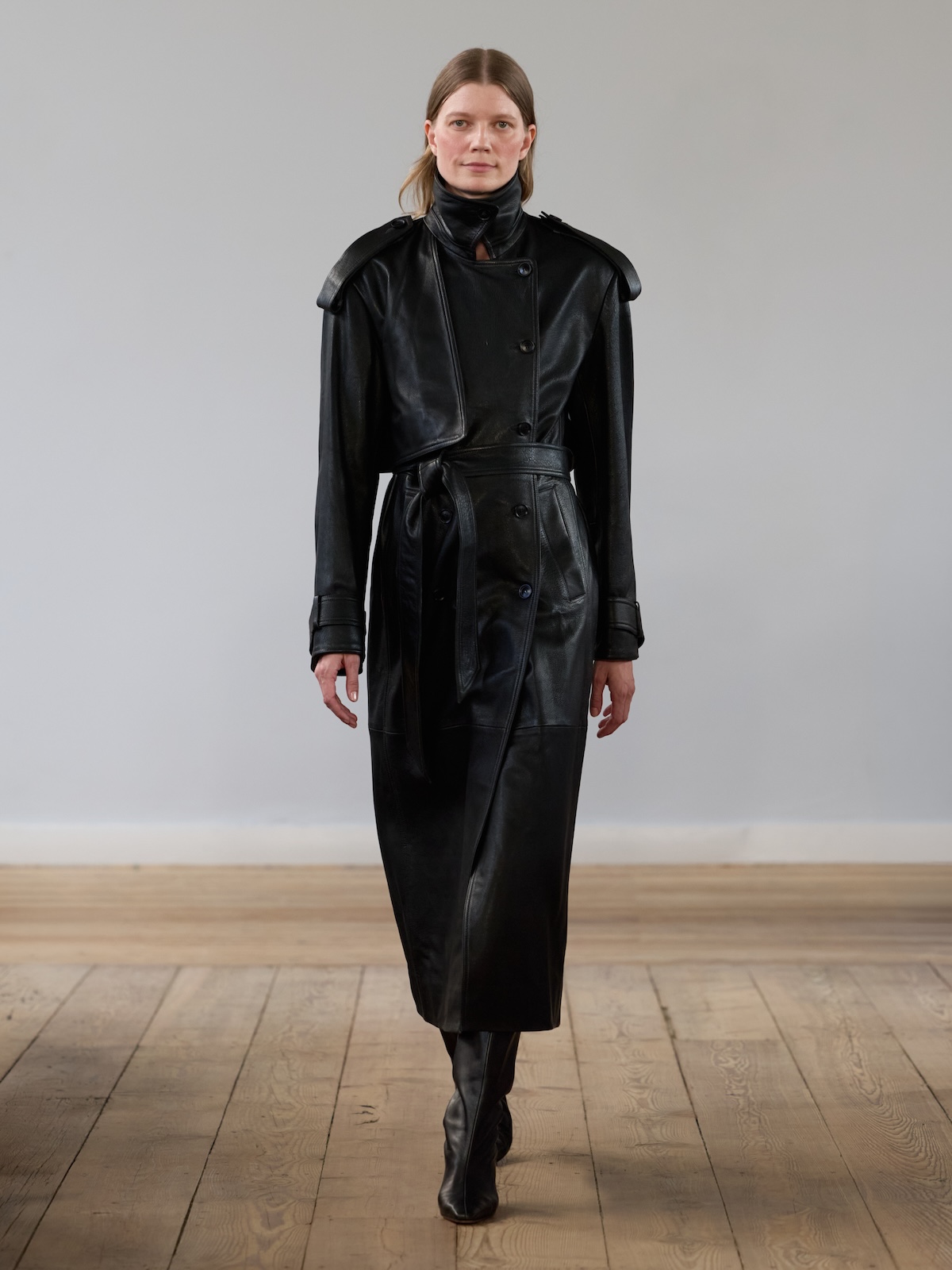
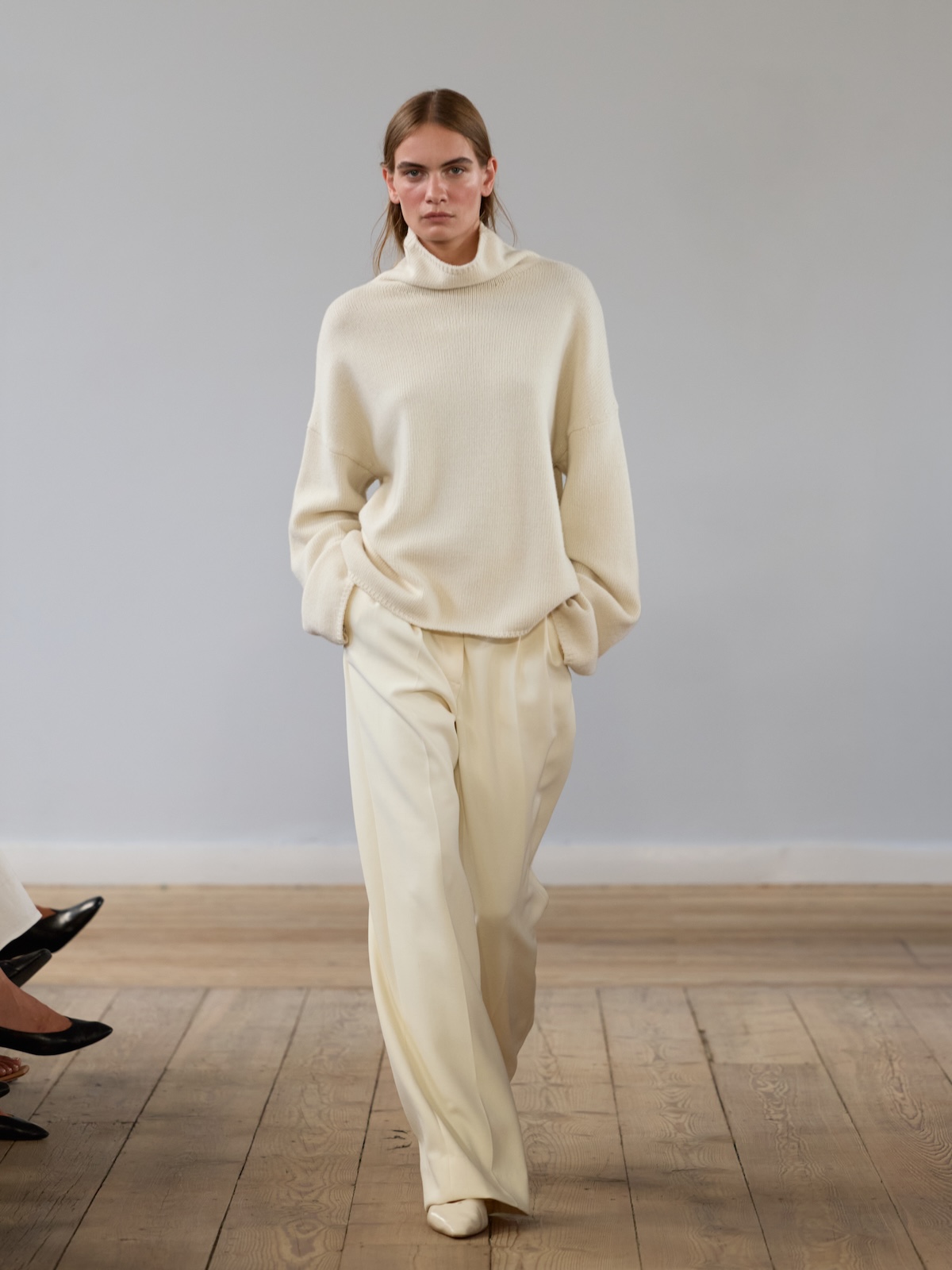
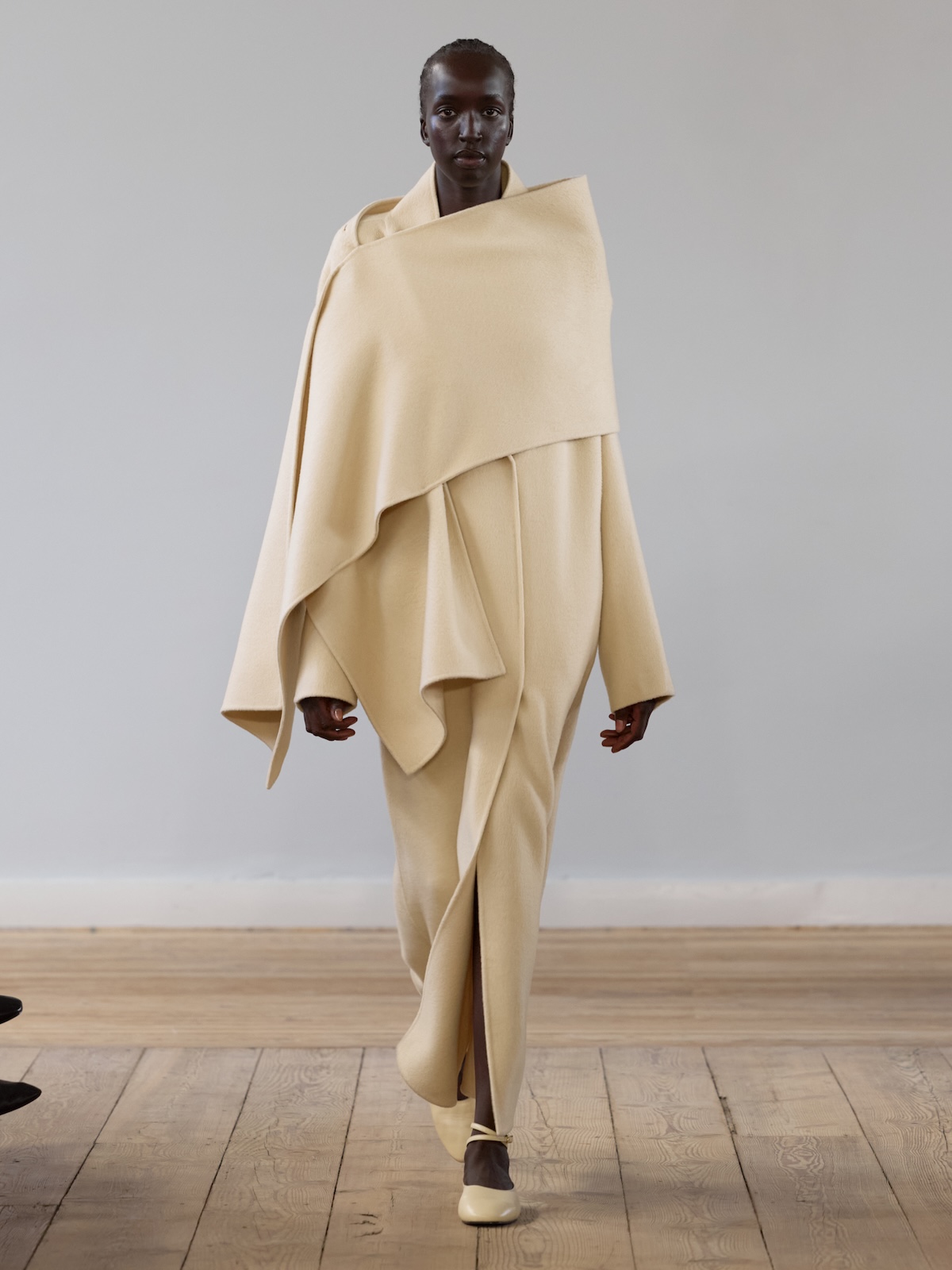
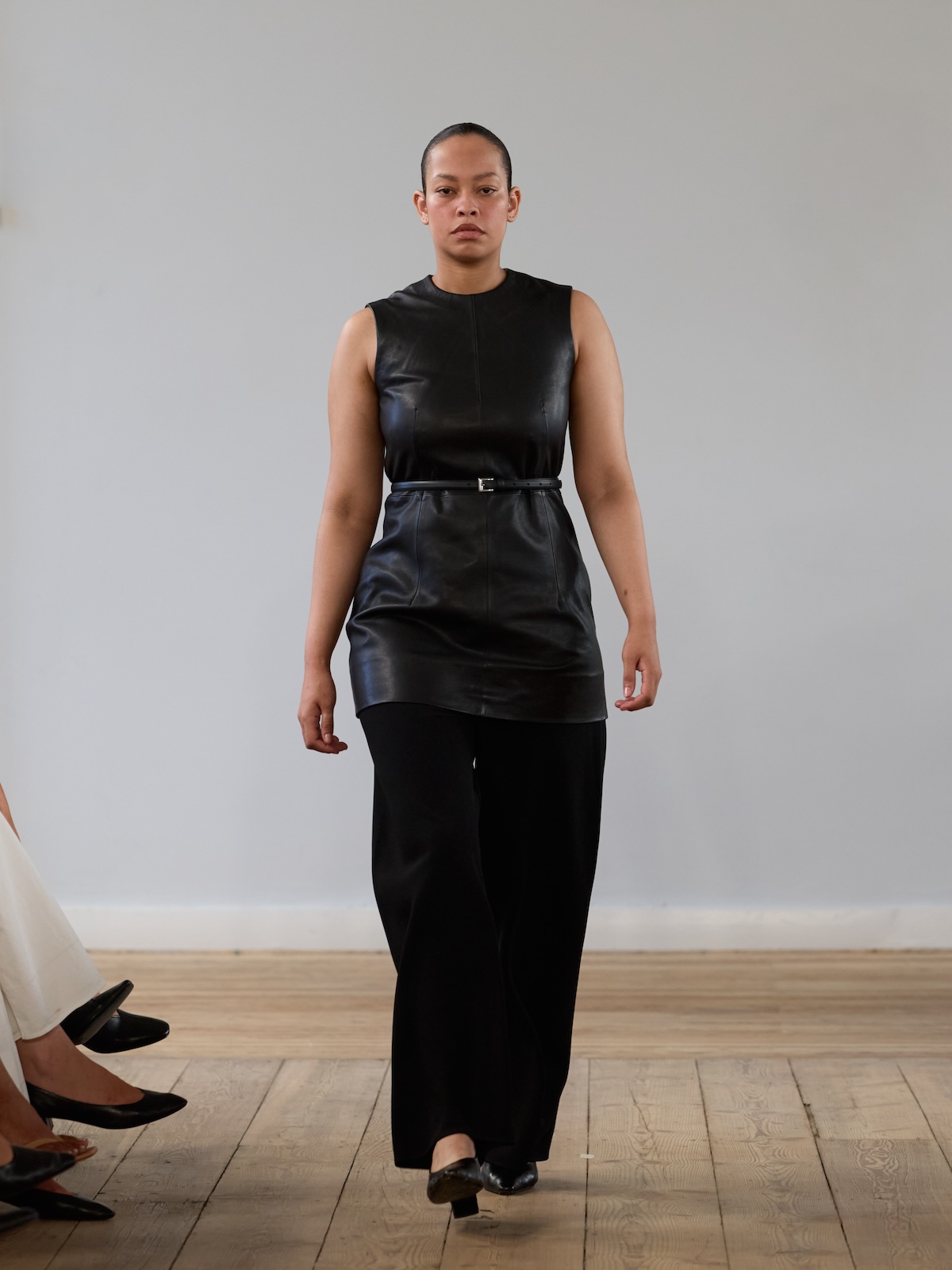
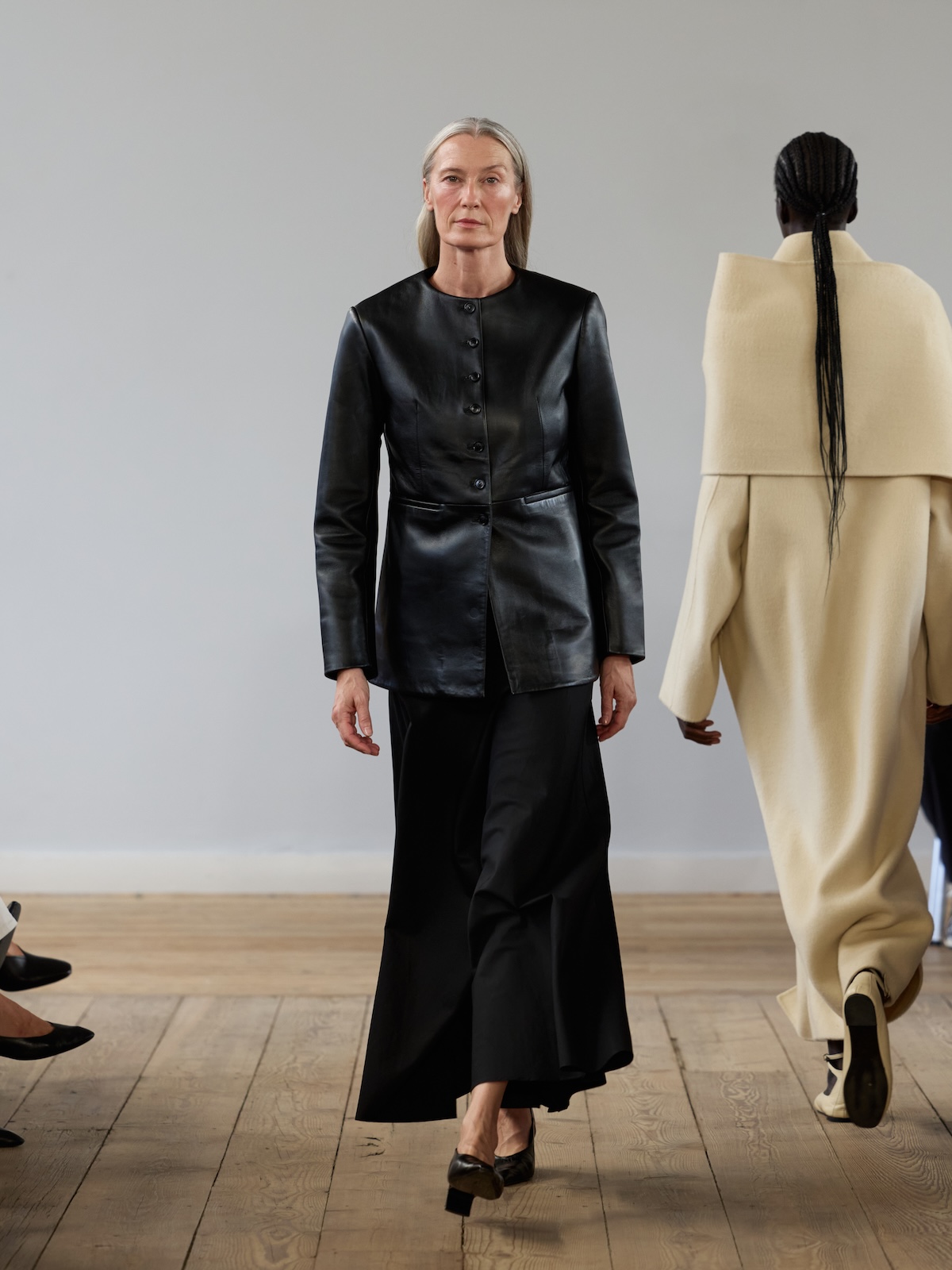
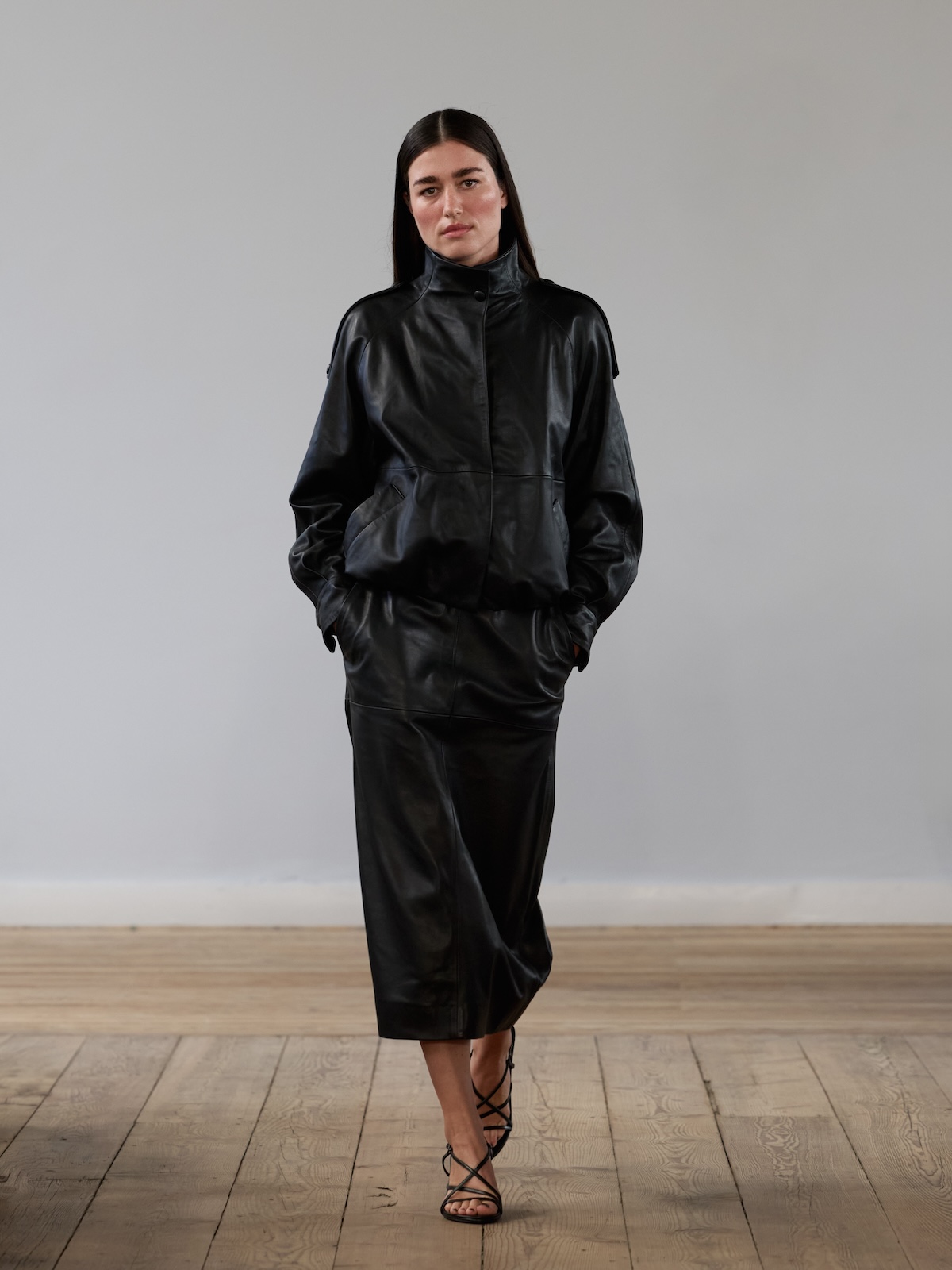
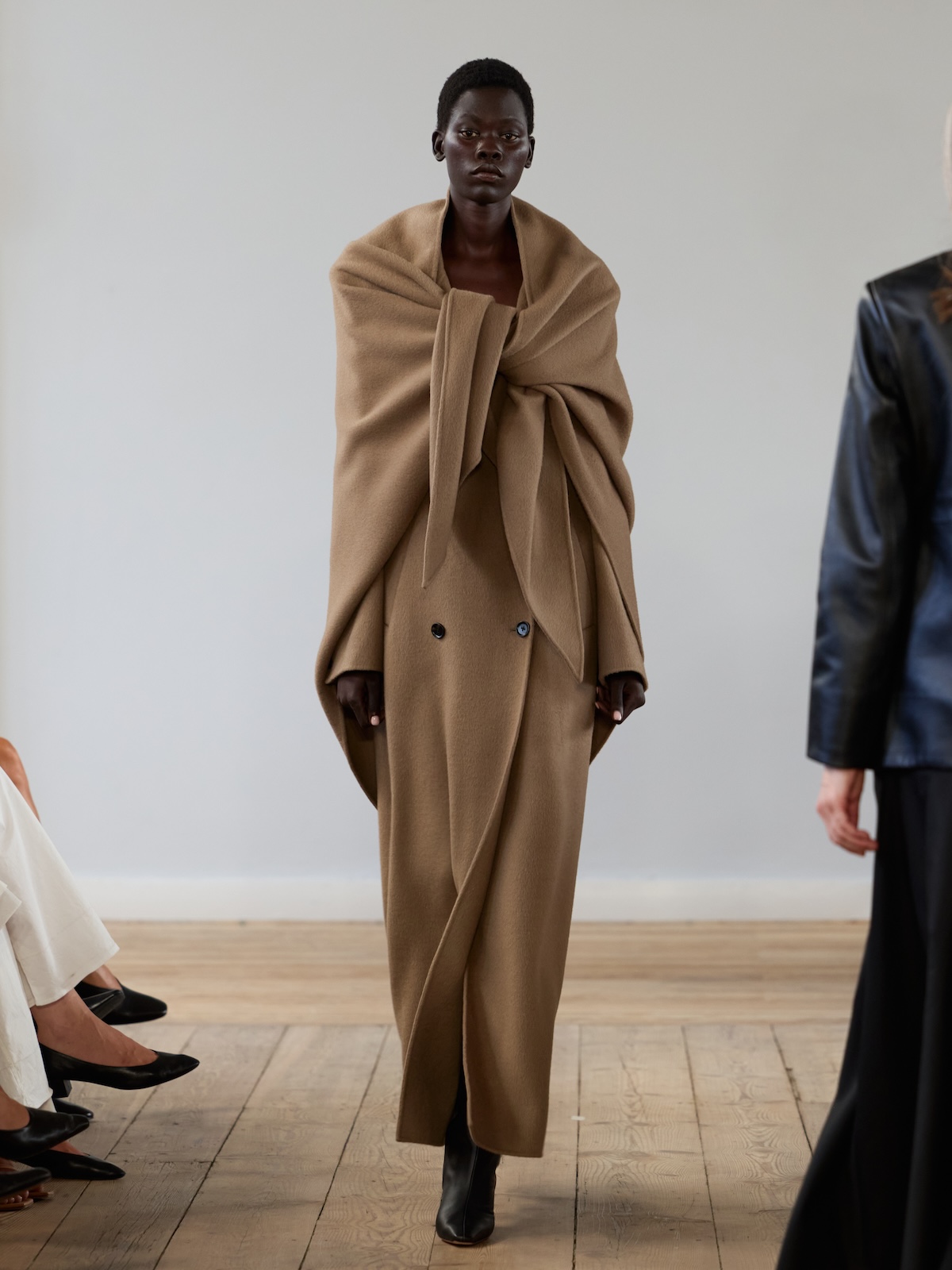
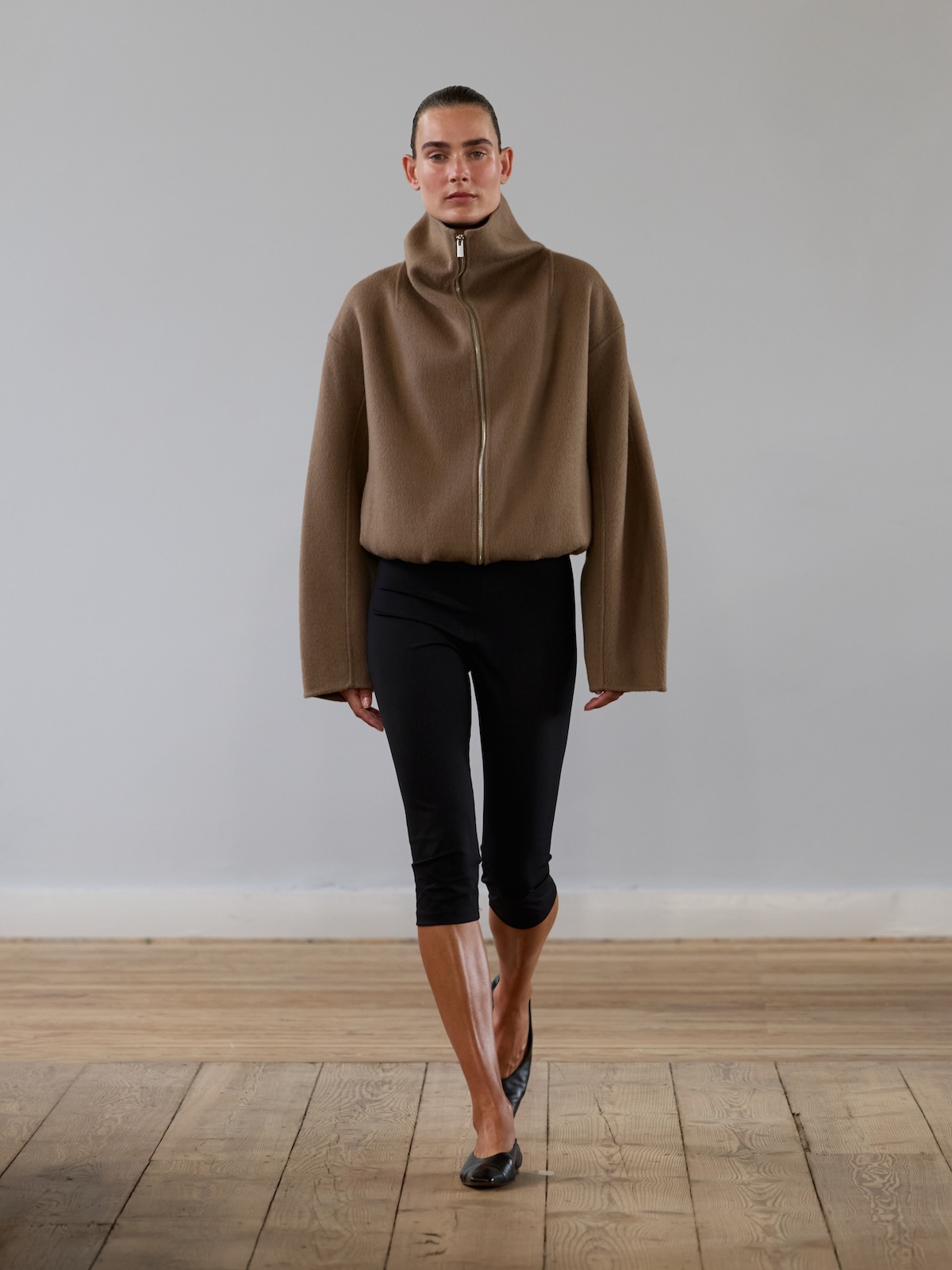
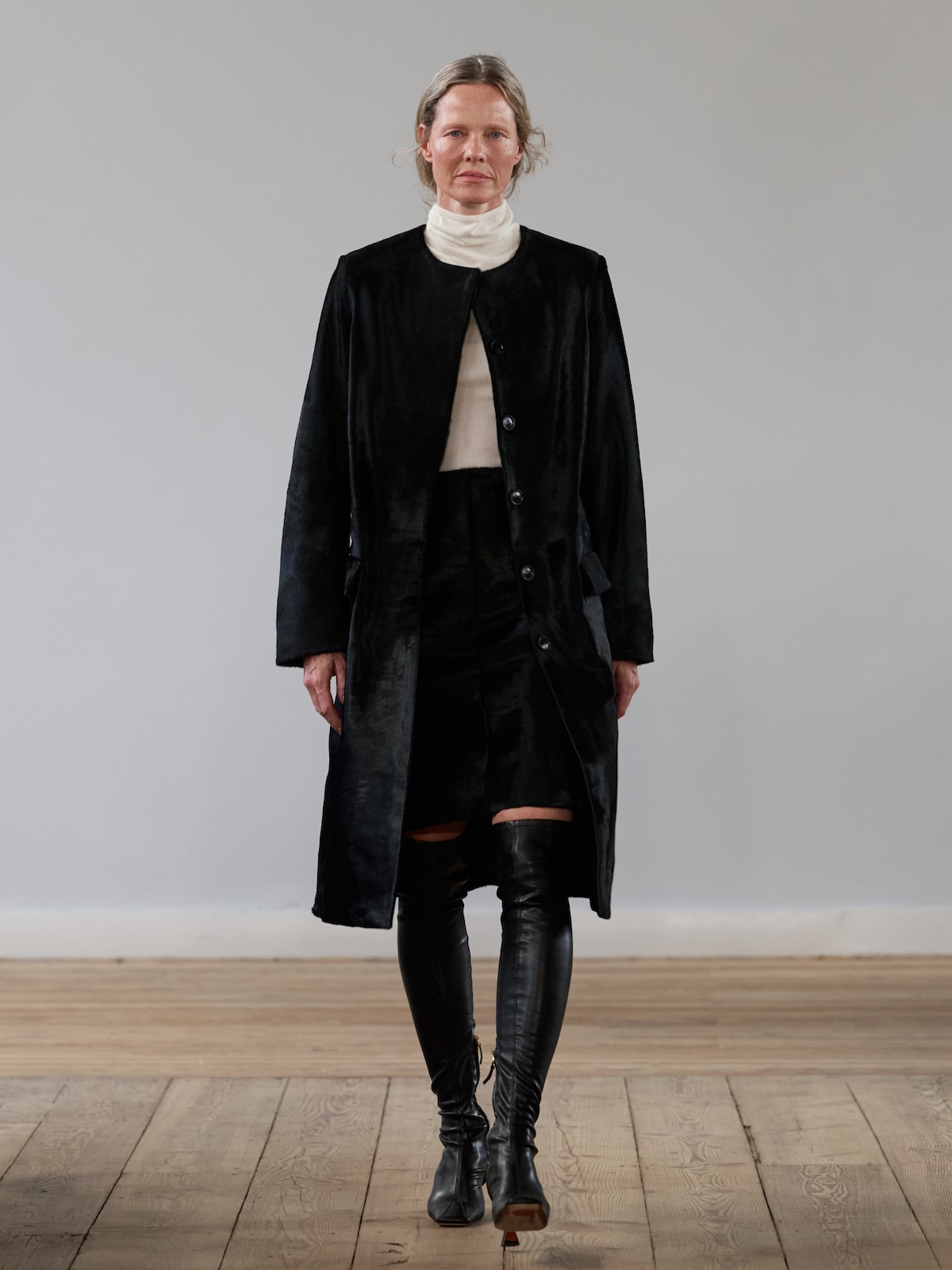
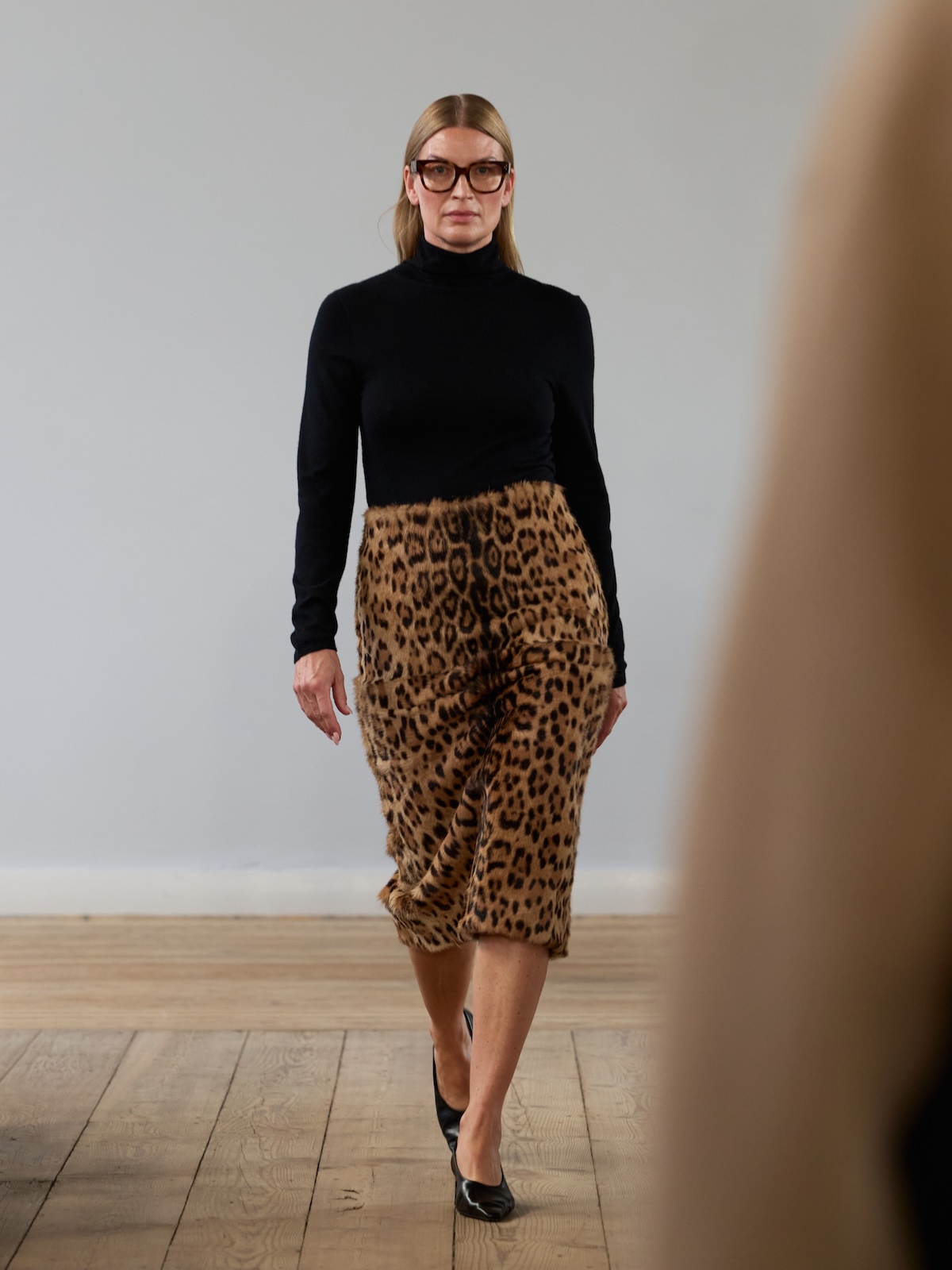
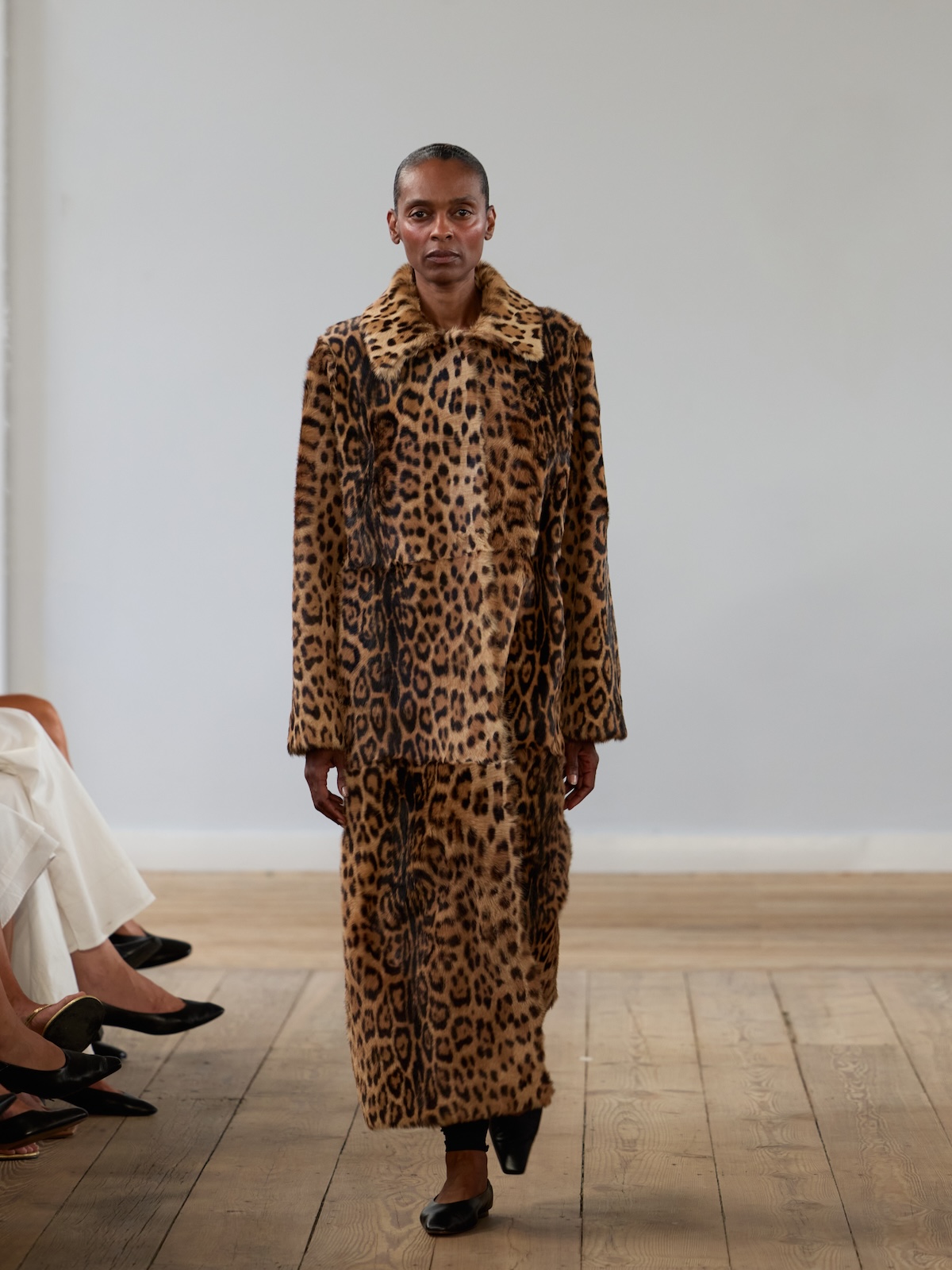
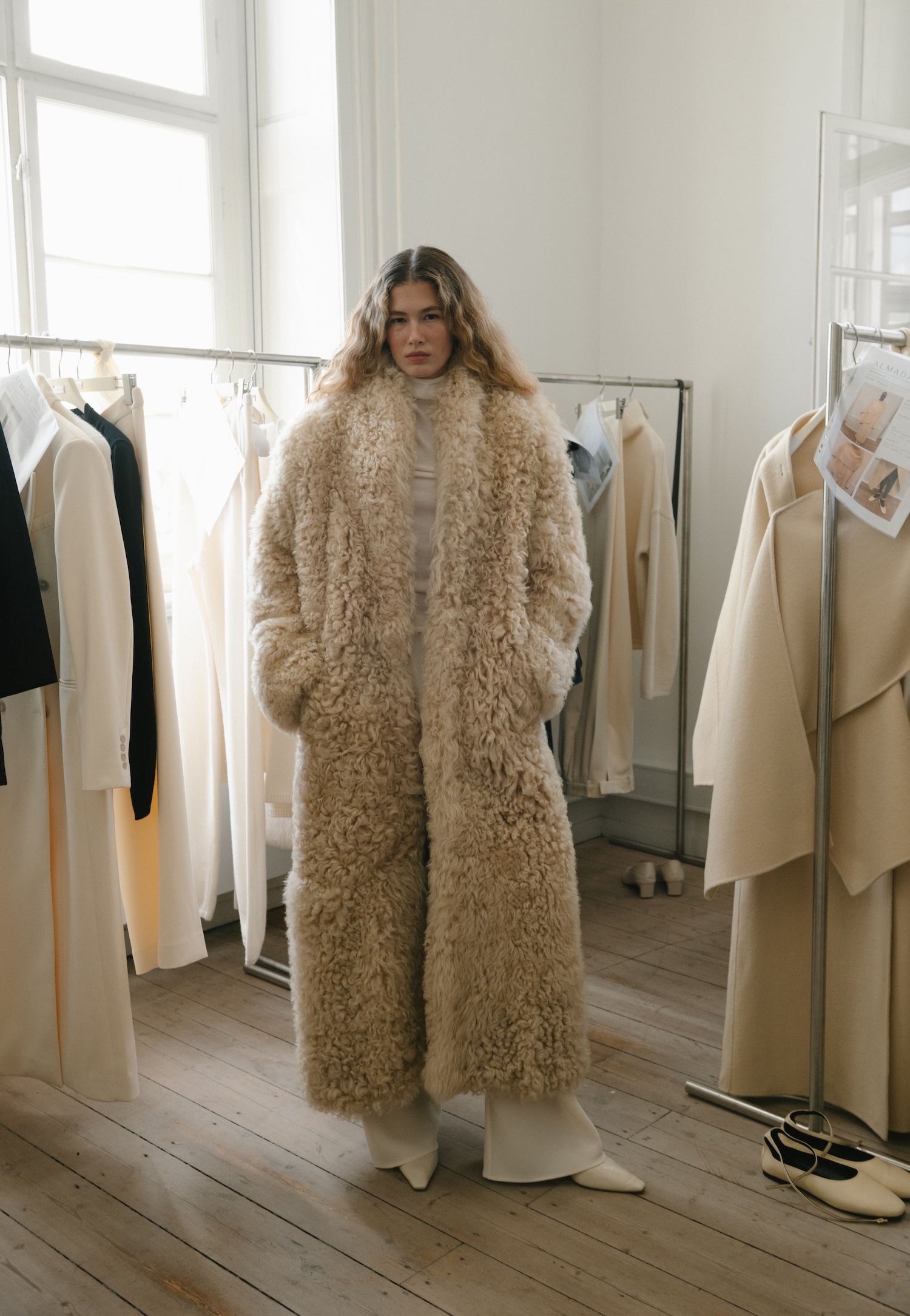
Alexa Dagmari ja Linda Juhola 2020. aastal loodud Almada alustas tegelikult kudumitest, kuid on viimastel aastatel kasvanud terviklikuks ready-to-wear-märgiks, mille keskmes on põhjamaisele garderoobile üsna omane mõte: vähem, aga paremini. Kašmiir, vill, nahk ja siid saavad siin rahuliku, täpse vormi ning eesmärk pole niivõrd hooajaline uudsus kui rõivad, mille juurde saab ikka ja jälle tagasi tulla.
Möödunud nädalal Kopenhaagenis toimunud CPHFW raames otsustas Almada tavapärase moenädala loogikaga veidi nihkesse minna. Selle asemel et nagu kõik teised näidata oma 2027. aasta kevadsuvist kollektsiooni, jõudis Charlottenborgi reljeefide taustal lavale hoopis tänavune sügis/talv kollektsioon – ning vaid mõni tund hiljem sai samu esemeid brändi uuenduskuuri läbinud veebipoest ka osta. Otsus minna „see now, buy now” teed sündis asutajate sõnul nende endi kunagisest frustratsioonist: rahvusvahelistel moenädalatel nähtud ihaldusväärset eset tuli traditsiooniliselt oodata veel pool aastat. Nii mõjus Almada samm keskenduda sellele, mida saab kanda juba praegu, igati loogiliselt. Ja ehk ütleb see päris palju ka brändi enda kohta: Almada ei püüa garderoobi iga kuue kuu järel uuesti leiutada, vaid ehitab seda tasapisi edasi.
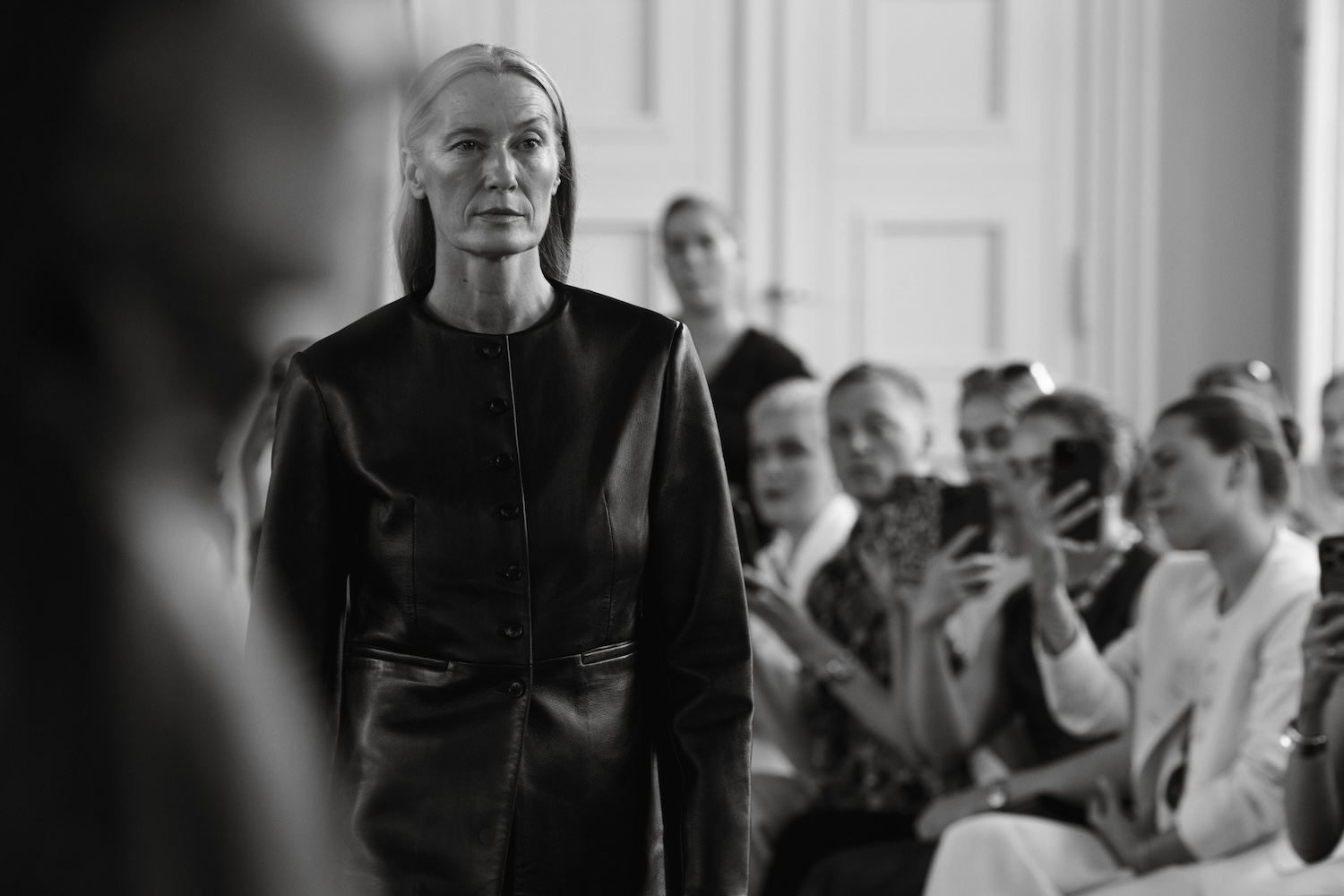
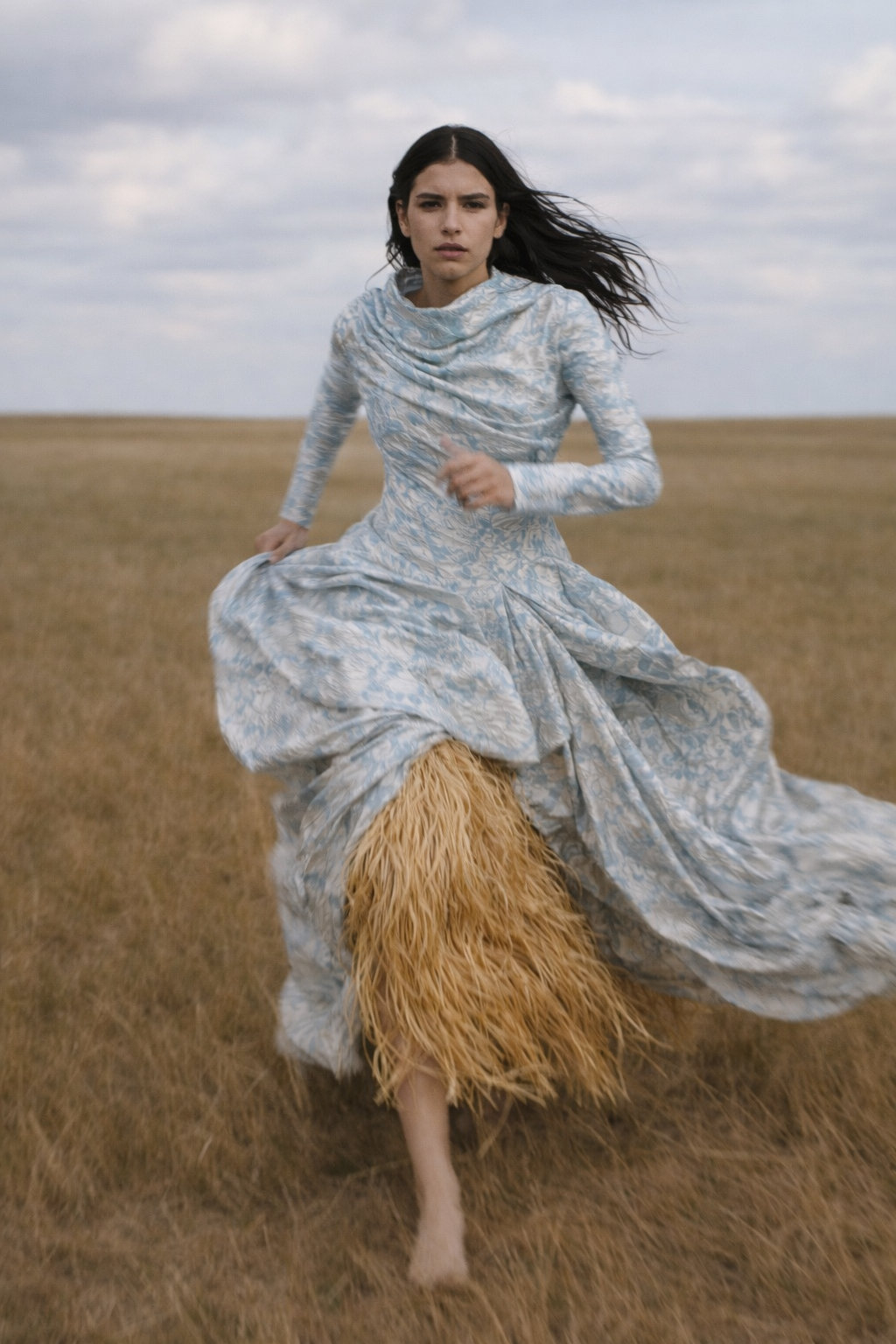
Kui aga rääkida lavale jõudnud kollektsioonist, siis see ise jäi kindlalt Almada senisele käekirjale truuks. Villast ja kašmiirist mantlid, skulpturaalsed jakid ja shearling-materjalid kohtusid voolava naha ning piimvalge siidšifooniga. Finaalis vilksatas isegi leopardimustrit – mõõdukas kõrvalepõige muidu vaoshoitud paletist. Kõike nähtut saatis Soome artisti Emmi Granlundi loodud helimaastik.
Vaata kollektsioon oma pilguga üle galeriist!
Tutvu Almada kollektsioonidega veebipoes almadalabel.com.