Foto: "Menorca Heritage IV".


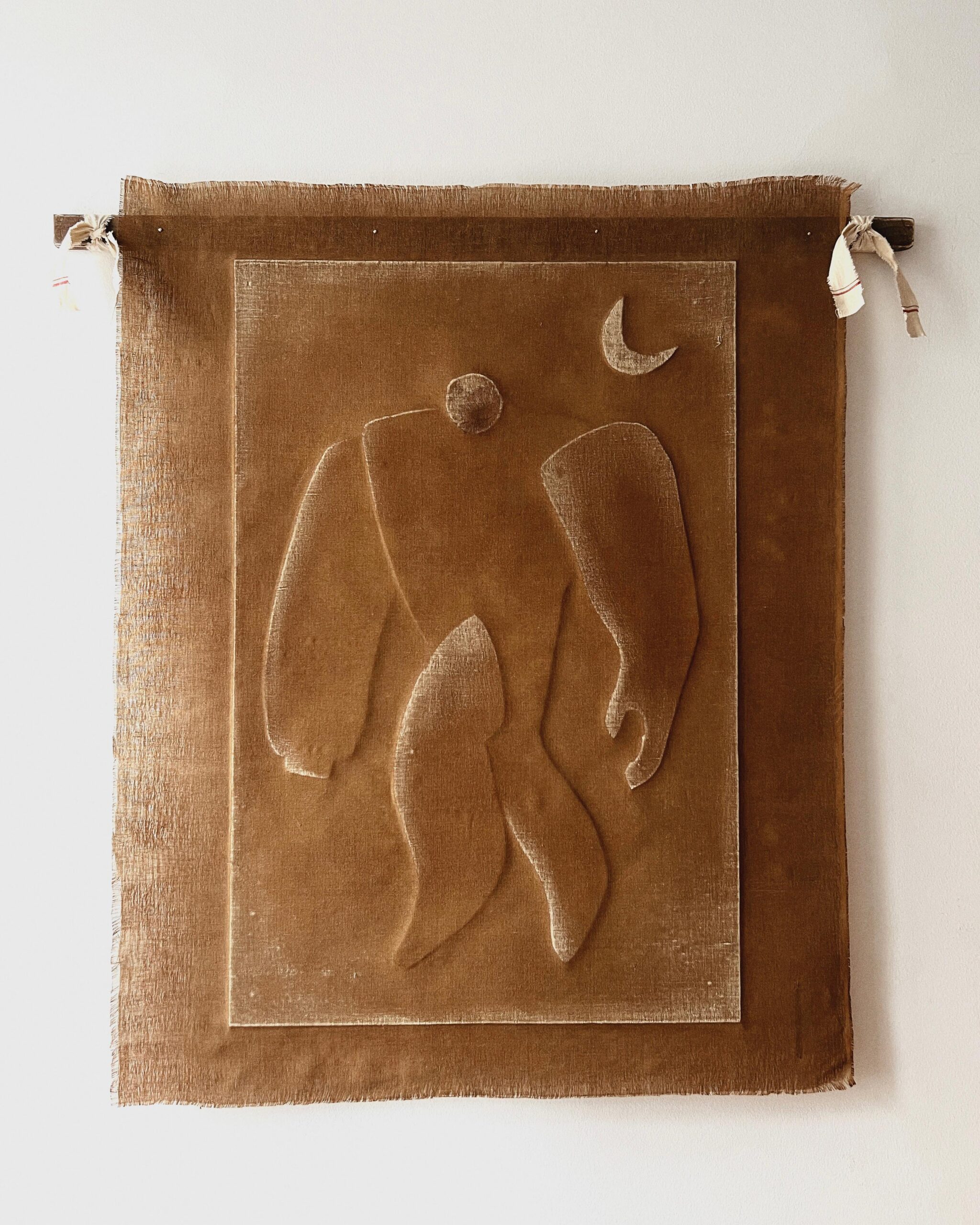


Known for her distinctive approach to contemporary symbolism and mixed media, Gaïa brings her signature technique — referred to as “contemporary mummies” — to this latest art series. Created by layering raw linen and shellac, these tactile textile murals explore the boundaries between what is visible and concealed, evoking both personal mythology and shared cultural memory.
Developed specifically for her presentation in Menorca, “Menorca Heritage” draws on the island’s rich symbolic landscape, referencing elements such as talayots, navetas, horses, folk legends, and giants. The four large-scale works offer a meditative reflection on the region’s ancestral narratives and ritual spaces.
“This series is a tribute to Menorca’s silent architecture, its ritualistic spaces, and the layered time held within its stones. I wanted to explore the island’s spirit not as a historian, but as a myth weaver,” says Santa GAÏA Pilens.
View this post on Instagram
This also marks Gaïa’s first presentation in Spain and continues her exploration of place, materiality, and ancestral resonance through symbolic abstraction.
Tabouret Gallery is specializing in contemporary and collectible design – from bespoke pieces to very limited editions – Tabouret offers an avant-garde selection of objects, furniture, home decor and tableware. Gallery is curated by Isis-Colombe Combréas.
Visit Santa GAÏA Pilens’ exhibition “Menorca Heritage” at Tabouret Gallery in Menorca, Spain until 15th of September 2025.


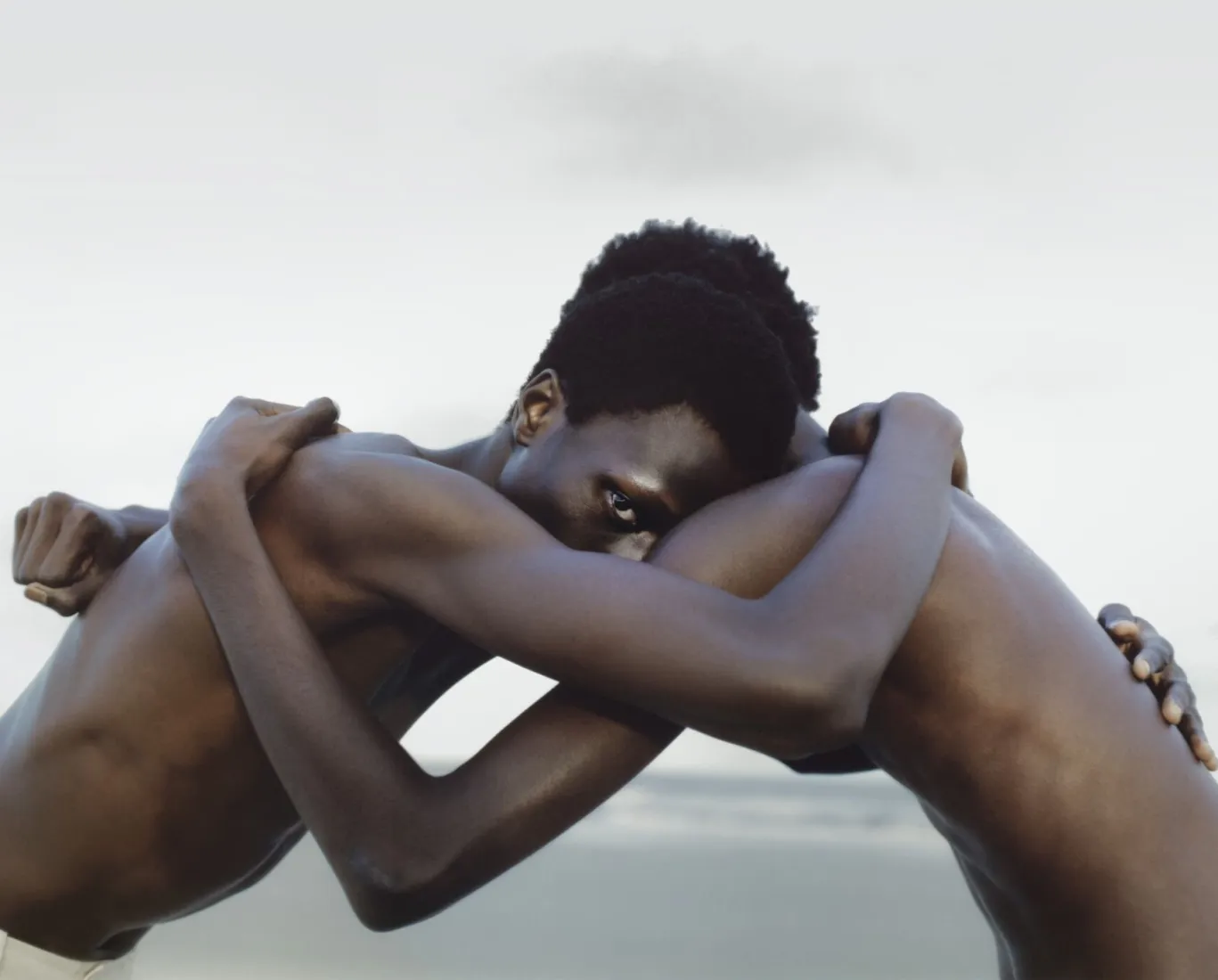
Näituse „Remember Me” autorite seas on mitmeid kunstifotograafia suurkujusid, aga ka moefotograafia ajalugu kujundanud nimesid, nagu Irving Penn, Richard Avedon, Helmut Newton ja Edward Steichen. Eraldi tähelepanu on pööratud Irving Penni loomingule, millele pühendatud väljapanek „The World According to Penn” koondab ligi 450 fotot, alates moe- ja portreefotodest kuni natüürmortideni.
Näitus ei järgi kronoloogilist ülesehitust, vaid loob dialoogi eri ajastute, žanrite ja fotograafiliste lähenemiste vahel. Esindatud on teiste seas Man Ray, Cindy Sherman, Nan Goldin, Wolfgang Tillmans ja Hiroshi Sugimoto.
Muide, näituse pealkiri viitab Ameerika kunstniku Barbara Krugeri samanimelisele teosele. Kruger on loonud muuseumi rotundi ka suuremõõtmelise installatsiooni „The History of Tears”, mis käsitleb mälu, identiteedi ja ühiskonna suhteid.
Näitus „Remember Me” on Pariisi Bourse de Commerce’is avatud kuni 18. jaanuarini 2027. Uuri lisa: pinaultcollection.com.
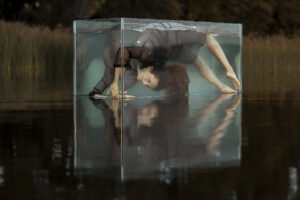

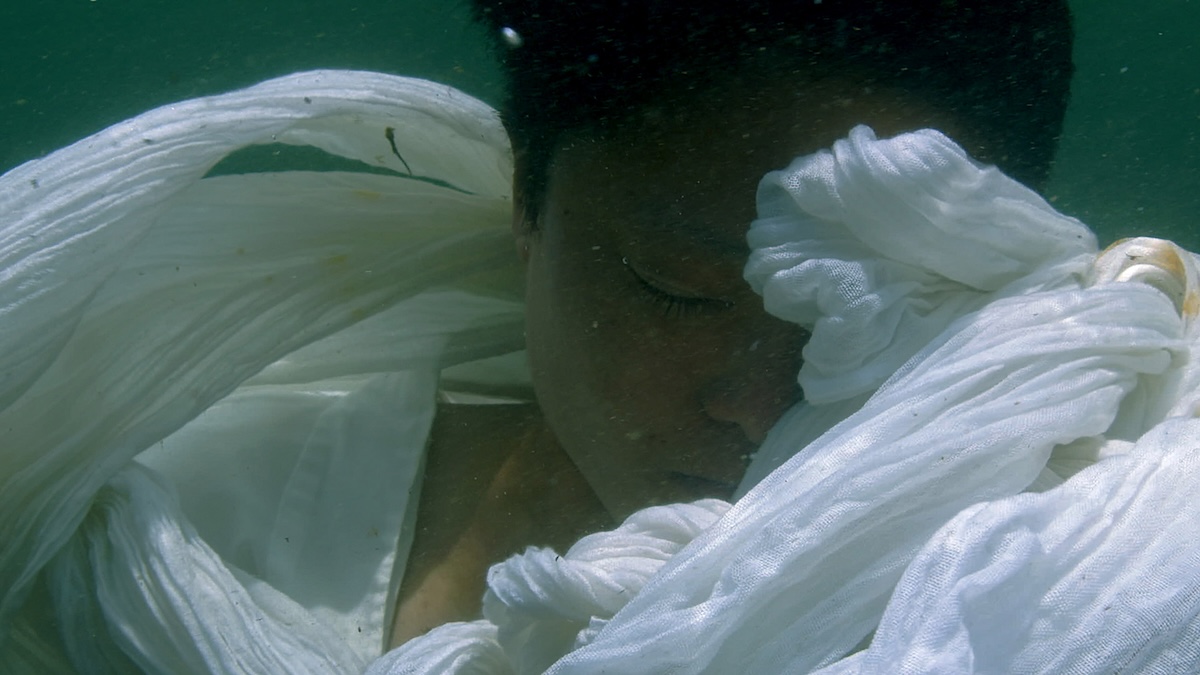
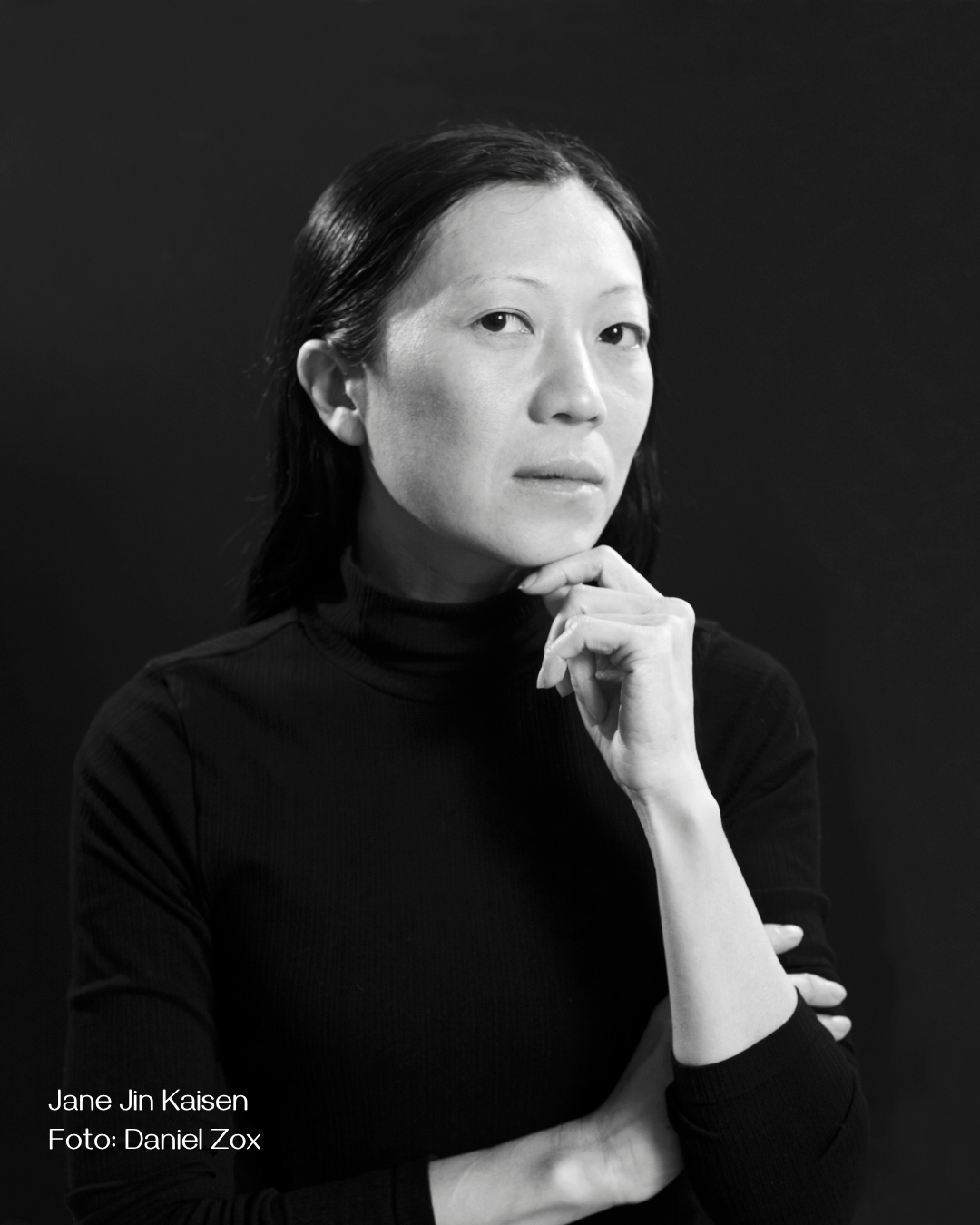
Laupäeval, 17. oktoobril avatakse Kai kunstikeskuses tunnustatud kunstniku Jane Jin Kaiseni esimene isikunäitus Baltimaades „Saar mere taga“, mis toob publikuni seitse nii ulatuselt kui ka filmikeelelt avarat videoteost, mille lähtekohaks on Kaiseni sünnisaar — traagilise ajalooga Jeju. Saar Korea lõunarannikul, kus vägivalla ja vastupanu jäljed on kihistunud üksteise peale. Suures mõõtkavas projitseeritud ja ruumi paigutatud filmid ei seisa vaataja vastas, vaid ümbritsevad teda, luues tõusu ja mõõna rütmis kulgeva liikumise läbi rituaali, müütide, leina ja mälu. Vaatamisest saab tunnistamise ja äratundmise viis. Jane Jin Kaisen nimetab seda „teistmoodi tõlkimiseks”, praktikaks, mille kaudu saab seni vaigistatud ajalugu nähtavaks uuel moel.
Jane Jin Kaiseni loomingus ei jää ajalugu millekski, mida kõrvalt vaadelda või üksnes dokumenteerida. Aastaid koos šamaanide, sukeldujate ja saare kogukondadega töötanud kunstnik käsitleb filmitegemist rituaalse praktikana. Nii nagu Jeju šamaanlikus traditsioonis, põimuvad ka tema filmides minevik ja olevik, kus rituaalid loovad võimaluse elavate ja surnute kohtumiseks, nendevaheliste sidemete hoidmiseks ning uue tähenduse andmiseks.
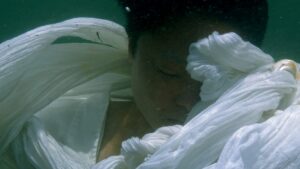
Kaiseni filmitsükkel liigub vabalt intiimse ja kosmilise, isikliku ja müütilise vahel; eaka sukelduja ilmast räsitud kätest maailma loomiseni. Jeju mütoloogiale toetudes seab kunstnik kesksele kohale naised kui teadmiste kandjad ja hoidjad. Nende seas on Seolmundae Halmang, vanaemast jumalanna, kelle kehast sündis saar; ning printsess Bari, keda Kaisen ei tõlgenda kuuleka tütrena, vaid piiride ületaja ning eri maailmade vahendajana. Müütiliste tegelaste lood haakuvad ka kunstniku enda perekonna ajalooga: Kaiseni ema ja vanaema olid haenyeo’d, Jeju saare naissukeldujad, kes teenivad elatist mereandidest, sukeldudes ilma hapnikumaskideta mitmekümne meetri sügavusele ookeanipõhja neid püüdma ja korjama. Nende merega seotud teadmised ja kogemused läbivad kogu filmitsüklit. Olulisel kohal on ka sochang, Korea üleminekuriitustel kasutatav pikk valge puuvillane kangas. Filmides lookleb see üle musta laavapinna, kandub vee alla ja rullub lahti kui side, mis ühendab üht põlvkonda järgmisega.
„Tallinnal on Jeju saarega palju ühist: mõlemad on mere kujundatud paigad ning mõlema lugu kannavad inimesed, kes on andnud oma lugusid edasi põlvest põlve ja leidnud uusi viise nende jutustamiseks. Jane Jin Kaiseni filmid avavad dialoogi meie kahe ranniku vahel, kutsudes mõtlema sellele, kuidas mälu edasi kandub ja kuidas kogukonnad uuenevad. Kaisen annab hääle naiste teadmistele ja saare müütidele ning pakub vaatamisviisi, mis on tähelepanelik, avatud ja lootusrikas,” kirjeldab Kai kunstikeskuse kunstiline juht ja näituse kuraator Karin Laansoo.
Jane Jin Kaiseni esimene isikunäitus Baltimaades „Saar mere taga“ on Kai kunstikeskuses avatud 17. oktoobrist 2026. kuni 21. veebruarini 2027. aastal. Laupäeval, 17. oktoobril kell 14.00 toimub erituur ja kohtumine kunstnikuga. Lisainfo: kai.center.