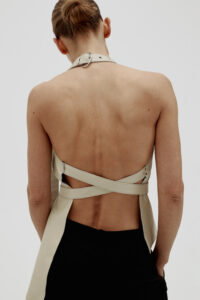
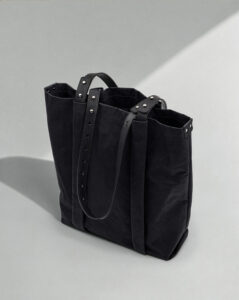
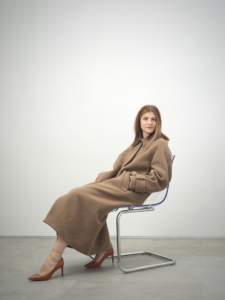
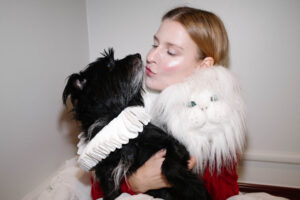
Foto: Fashion Scout


“Oleme juba mõnda aega mõtteid mõlgutanud, kuidas tuua rahvusvahelise moeäri teadmised Eesti disaineriteni,” sõnab fashionavanti kaasasutaja Piret Rätsep. “Kuue aasta jooksul oleme koostööd teinud paljude Eesti moebrändidega ning ikka ja jälle toovad nad peamise kitsaskohana välja just moevaldkonna äriliste teadmiste puudumise ning oskuse, kuidas saavutada rahvusvahelist edu. Tänu EASile ja Fashion Scoutile avanes suurepärane võimalus algatada Eestis rahvusvaheline koolitusprogramm, mis keskendub just moevaldkonna eripärale ning aitab brändi ette valmistada kasvuks ning moemaastikul konkurentsis püsimiseks. Fashion Scouti näol on tegemist maailma ühe juhtivama moeplatvormiga alustavatele disaineritele ning nende ligi 20-tegutsemisaasta jooksul on aidatud rahvusvahelise eduni nii mitmedki brändid ning läbi viinud palju edukaid koolitus- ja mentorprogramme erinevates riikides. Meie eelnev positiivne koostöö Fashion Scoutiga ning Martyni ja Bilijana suur kogemus olid määravaks, miks teha antud koolitusprojekt just koostöös nendega.” Piret lisab, et Fashion Scouti eestvedajate Martyni ja Biljana näol on tegemist kirglike moeentusiastide ja moevaldkonna ekspertidega, kes on võtnud oma südameasjaks aidata just alustavaid suure potentsiaaliga disainereid üle maailma. “Meil on tõesti suur au ja rõõm nendega koostööd teha ning Eesti disainereid ülejäänud maailmale tutvustada,” lisab ta.
Edasi jätkub intervjuu Fashion Scouti asutajate Martyn Robertsi ja Biljana Poposka-Robertsiga ning seda inglise keeles, sest me ei soovi kunagi, et Portaili lehel midagi tõlkes kaduma läheks.
Martyn, Biljana, as this is Portail’s first interview with Fashion Scout, I have to ask – how did Fashion Scout come about?
Martyn: During my career in Fashion PR, I realised that emerging designers were struggling to find a professional platform to showcase their collections and provide them with support and advice to build their businesses. Addressing this gap in the market I set-up my first project in a historic London carpark, which attracted international designers as well as hugely reputable audience from the industry and media. The success of this first season proved there was a hunger for the creation of a bigger platform. In 2006 Fashion Scout was born and has showcased over 1,000 designers to date, with many growing into internationally recognised businesses.
What is the shortest way to describe what Fashion Scout is today?
Global platform empowering the future of fashion
What do you consider Fashion Scout’s biggest strength?
Our wealth of experience and international recognition with the ability to provide crucial steppingstones for emerging design talents.
From London to Paris, Ukraine and China… How do you manage it all?
Vision, passion, perseverance and lots and lots and lots of hard work!
What area is the most exciting for you at the moment – perhaps you can name countries, fashion weeks, designers that have caught your and Fashion Scout’s eye?
We recently launched Fashion Scout China which is super exciting for us. Over the years we have launched many designers from China who are now globally recognised designers, such as Angel Chan, Xiao Li, Masha Ma and we have an eye on number of emerging designers from that region.
We are also keeping an eye on the designers from Africa, Lagos Fashion Week is producing some great new designers, and of course we always have our eye on Europe – we love what Triinu Pungits and Kristel Kuslapuu from Estonia are doing, and can’t wait to be inspired by some of the new designers applying for this programme.
How much do you know about the Estonian fashion scene? Any designers you keep an eye on?
The Estonian fashion scene has been on our radar for some time now and we regularly keep an eye on the new and upcoming designers that are springing out and flourishing.
Martyn: Well for those who know me, I have a passion for big hats, so I do love GUILD. And designers Kristel Kuslapuu and Triinu Pungits have won awards at Fashion Scout – both are winners of Fashion Scout’s acclaimed “Ones To Watch” award.
In collaboration with fashionavant you are launching – for the first time – “International Accelerator Programme” in Estonia. Tell us a bit about this program.
We have worked with fashionavant team a number of times over the years with great success and we are excited about this new collaboration. Building on Fashion Scout’s extensive track record in mentoring and business accelerator programmes, for this project, together with fashionavant, we worked to create a programme that would be suitable for the Estonian emerging designers, addressing market needs.
The programme will offer eight 1,5 hour long highly informative and practical sessions by international industry experts. These experts have all had over 10 years’ experience in their respective field and have delivered session for us all over the world. The topics will cover areas that are essential for business development and growth such as financial planning, market research and trend forecasting, branding, pricing strategy, range planning, sales, marketing, and case studies. Not only do these sessions educate and inform they also provide much needed steppingstone into the international market and preparedness for it.
We are just coming out of a pandemic. What did you learn this past year and what do you think will be changed for good, fashion-wise?
Billie: I cannot say how many times we used the word “pivoting” in the past year – for us this word represents this crazy year we have had in a positive way. As we had to change and re-think the way we normally do things we learnt that adaptability is absolutely crucial to one’s success. We also learnt to slow-down, make most of the power of “local” both in design, community, and even shopping and communicate in different ways which is equally as powerful. Whilst it was challenging and our industry suffered we were also proud of the projects our team achieved, making the most of technology and power of our international networks.
Martyn: I feel that many practices we learnt over the pandemic are here to stay. The designers are producing less but of better quality. They will continue to build more personal relationships with their customers and also spend more time on continual development, exploring different avenues from manufacturing, fabrics, sustainability to positive social, divers and eco practices.
Hopefully things will eventually get more back to normal by fall. What will this upcoming season bring for you and Fashion Scout – events, fashion shows, travels?
We can’t wait for physical events to fully start again, but we predict that September will be a slow burner in UK as the government and people are still cautious and there are many uncertainties. Many of the digital learnings from the past year will be here to stay and will be integrated into our offerings. We are planning a series of hybrid physical and digital events which will be a great start to shake-up new beginnings post pandemic.
And lastly. What do you feel are 5 things that fashion designers or brands need to have today to make it big internationally?
And now, some rapid fire questions – because, why not:
Favourite restaurant in London?
Martyn: I love discovering new and exciting street food – going to Spitalfields Market, Brockley Market, Brick Lane and Box Park and uncovering new tastes and combinations.
Billie: Gunpowder – a modern Indian restaurant, in Spitalfields.
What brings a smile to your face?
Martyn: Scouting new talent and helping them achieve their dreams.
Billie: My family and sunshine.
Best career advice you’ve ever gotten?
Martyn: Follow your vision and never give up!
Billie: Believe in yourself and your talents!
Last thing you binge-watched?
Martyn: Lupin.
Billie: The Queen’s Gambit.
Last thing that made you laugh to tears?
Martyn: My eight year old son and his friends dancing to Nirvana!
Billie: Learning to paddle board on a choppy sea and falling off 100’s of times.
Tingimused ja ankeedi „International Accelerator Programme – Empowering Estonian Fashion Designers“ koolitusprogrammis osalemiseks leiab SIIT. Projekti rahastab Euroopa Regionaalarengu Fond.
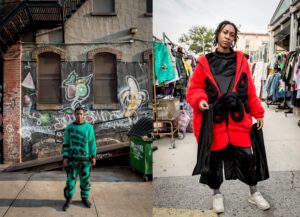
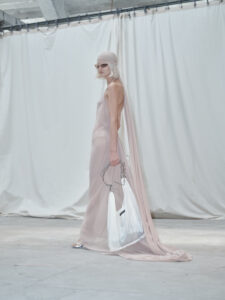
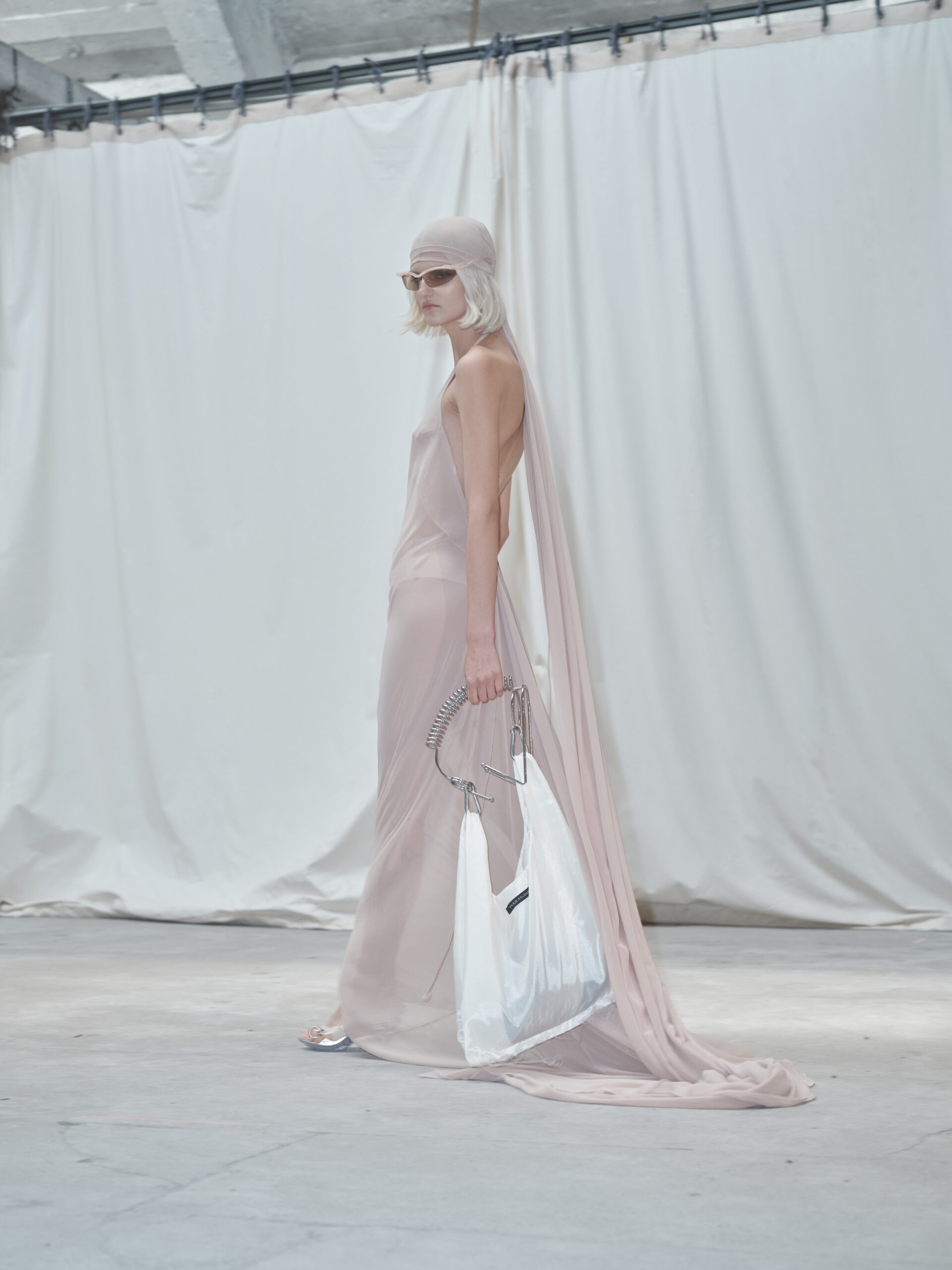
Astudes Sille Randviiri kesklinna industriaalsemasse nurka peidetud stuudiosse justkui vahetad Tallinna Kopenhaageni vastu. Kõrged valged seinad, suured aknad, meeldiv muusika ja elegantne sisustus komplementeerivad seinte ääres paiknevatel stangetel ilutsevaid rõivaid. Nende multifunktsionaalsete kleitide ja set’idega võib minna olenevalt kandja õhtu eesmärkidest nii klubisse pidu panema kui presidendi vastuvõtule komplimente koguma. Maandun Sille mugaval diivanil ja lasen ta mõtetel vabalt voolata. Aeg-ajalt kõõritan ideaalse musta pusa suunas, mis mulle toanurgast sosistab, et just tema ongi mu elust puudu ja tahab minuga koos koju minna.
Alustame algusest
“Olen pärit Märjamaalt, käisin seal gümnaasiumis,” alustab Sille. “Ma arvan, et see juhtus kuskil 10. või 11. klassis, kui hakkasin endale ise riideid tegema. Mu vanaema oli omal ajal rätsep ja ema on alati olnud käsitöös tugev, ka mina käisin põhikoolis käsitööolümpiaadidel. See oli mul alati kuidagi käpas. Hakkasin siis endale ise riideid tegema ja klassikaaslased olid kohe platsis nagu väikesed harakad – tahtsid ka midagi ägedat saada. Nii see algaski ja gümnaasiumi lõpuks oli otsus tehtud, mida edasi õppima lähen: rätsepaks ja stilistiks.
Pärast rätsepakooli tegin eritellimustel õhtukleite ja pruutkleite, mu lõputöö oligi mu esimene pruutkleit. Nii läks päris mitu aastat, kuni sain aru, et kliendid tulevad oma piltidega ja ma lihtsalt teengi neid pilte järele. Tundsin, et see ei ole see, mida ma teha tahan, ja läksin Taani õppima.”
Rätsepakool andis Randviirile tugeva baasi, nii lõigete osas kui õmblemises. “Õppisin, kuidas konstrueerida, kuidas modelleerida, kuidas ühte eset nullist luua. Kui ma Taani õppima läksin, oli see väga suureks eeliseks. Disainerid joonistavad paberile kavandeid, mis võivad olla väga lahedad, aga kui sa ei oska seda päriselt valmis teha, siis mis sellest ägedusest alles jääb?” Taanist viis aastat tagasi tulles tegeles Randviir algul rohkem stilistikaga, kuid nüüdseks on ta sellest enamjaolt loobunud ja on keskendunud eelkõige Puue brändi arendamisele.
Korda luues
Disaineri 2025. aasta debüütkollektsioon kandis nime “Kaos”. Temale kaos ei olnud tol hetkel niivõrd miski, mida silmaga näed: “Disaini mõttes oli see pigem seisund, mis mind sel hetkel, kogu selle protsessi käigus, valdas. Kollektsiooni luues oligi mu sisemiseks tungiks luua sellesse segadusse kord.”
Üks paras segadus võib valitseda loomingulise inimese peas ka moeloome äriosaga tegeledes. Sille on kindel, et ilma ärilise mõtlemise ja leidlikkuseta brändi Eestis ehitada pole võimalik. “Ausalt öeldes ei ole see lihtne – sa lihtsalt investeerid kogu aeg. Materjalid on läinud väga kalliks ja nende kättesaadavus väga keeruliseks. Mõned kangad, mida varem kasutasin, on üldse tootmisest maha läinud, furnituuriga on sama lugu. Hõbenõela kollektsiooniga alustades käisin terve Tallinna läbi ja mitte kuskil ei leidnud näiteks valget triiksärgikangast ega musta mantlikangast. Lõpuks tuli appi Eve Hanson, kelle ateljeest leidsin vajalikud materjalid.”
View this post on Instagram
Randviiri jaoks algab disainiprotsess väikestele asjadele keskendumisega. “Minu töö on väga detailipõhine: teen neist lähtuvalt ühe toote valmis ja siis hakkan inspireerituna sellest tegema järgmist. Üks triiksärk tekkiski umbes kaks nädalat tagasi mõttega, et ma ei jõua vajalikku furnituuri välismaalt kätte saada, sest need asjad tulevad tavaliselt kolm-neli nädalat. Pidin leidma uusi viise, kuidas soovitud efekti saavutada.”
Hoitud asjad
Kas Eestis jagub kvaliteetsele kodumaisele disainile ostjaid? Sille usub, et jagub, sest lisaks kvaliteedile on inimestele paratamatult oluline ka brändi identiteet. “Need inimesed, kes tahavad eristuda, on olemas. Võib öelda, et nõudlust on mul pigem rohkem, kui ma praegu pakkuda suudan. Loodetavasti saab Hõbenõela kollektsiooniga samaaegselt valmis ka koduleht. Lisaks eneseväljendusele on kollektsiooni suunitlus olla kantav ja müüdav, sest lõppkokkuvõttes on see mu töö ja maksan sellega oma arveid. Teen teadlikult ready-to-wear’i ja olen praegu teinud väga palju lõikeid eesmärgiga, et nad oleksid skaleeritavad ja saaksin neid tootmisse viia.”
Brändiga on disaineri sõnul see imelik asi, et kõigepealt ehitad selle üles ideede maailmas ja füüsilise tooteni jõudes pead tagasi tulema päris maailma. “Suur segapudru käib. Ühelt poolt tahan, et kollektsioon oleks eristuv ja lahe ja edgy, aga teiselt poolt mõtlen alati ka kliendile ja sellele, kas see sobib tema ellu, kas ta tunneb end nendes asjades hästi. Paljud minu kliendid on loomevaldkonna inimesed, kes väärtustavad disaini. Nagu ikka, ka lõpetajaid on mul tavaliselt väga palju! See on minu jaoks väga suur kompliment ja tekitab sooja tunde, kui keegi tahab olulist hetke just minu kleidis või kostüümis tähistada. Tean ka seda, et minu kliendid hoiavad minu asju, hooldavad neid ja see tagab, et need jäävad garderoobi kauaks püsima.”
“hõbe” Hõbenõelale
Jõuame jutuga Puue brändi koduni, Sille ateljeeni, mis annab tema kollektsioonidele niivõrd sobiliku tausta. Ruum on Sille jaoks väga oluline: “Ma veedan stuudios enamiku ajast, koju lähen lihtsalt magama. Mu keskkond peab olema avar, ilus ja selline, kus ma saan klienti vastu võtta. Arvan, et õige keskkond paneb ka klienti disaini rohkem väärtustama.” Lisaks sisekujundusele pakub disainerile huvi ka aksessuaaride tootmine: “Olen hakanud tegema päris palju kotte ja eks mulle üleüldse meeldivad igasugused väikesed jubinad. Võimalik, et hakkan tootma lisaks kottidele ka midagi veel.”
Randviiri loodud esemed on pealtnäha lihtsad ja minimalistlikud. “Eks ole Skandinaavia stiil on minu taustaks,” ei tee Sille saladust. Tegelikkuses aga on iga tema toode väga mitmetahuline: pealt on see lihtne triiksärk, aga kui süvenenult vaadata, leiab mitmeid põnevaid detaile, näiteks tagaluku. “Kui särk on seljas, ja on lukk seljalt lahti, seda saab kleidina kanda, kui tõmbad luku kinni, muutub kleit särgiks tagasi. Siin on ka reguleeritavad kinnitused, mis samuti mängulisust lisavad,” selgitab Sille. “Mõtteviis, et detailides on jõud, on jõudnud minu disaini stilistikatöö kaudu. Selle puhul võtad mingi baas-outfiti ja hakkad sinna juurde lisama kingi, kotti, ehteid, mis lõpuks panevad terviku elama. See on mu lähenemist disainiprotsessile muutnud: ma ei disaini ainult üht toodet, vaid mõtlen kohe alguses läbi stilistika – selle, kuidas toode kandja seljas elama hakkab. Veel meeldib mulle luua kontraste: õhuline, voolav kangas ja aktsentidena juures robustsemad detailid.”
Mida näitab Randviir moenädala laval? “Uus kollektsioon on mingis mõttes muidugi sarnane eelmisele, töötan ju selle kallal, et mul oleks äratuntav käekiri. Ma ei hakka jalgratast leiutama. Aga värvides on muutus: eelmises kollektsioonis oli mul palju pruuni, erinevaid halle ja üsna palju valget. Nüüd on valget vähem, pigem domineerib nude, kaks erinevat halli ja must. Väga palju musta, ma ei saa mustast üle! Isegi kui hakkan mingeid värve katsetama, lähen alati tagasi musta juurde. Mulle endale see kokkutulnud palett väga meeldib. Tanel Veenre ütles mulle kunagi, et mu asjad on väga styling-based ja ka trend-based ja siinkohal ei saa vaielda.”
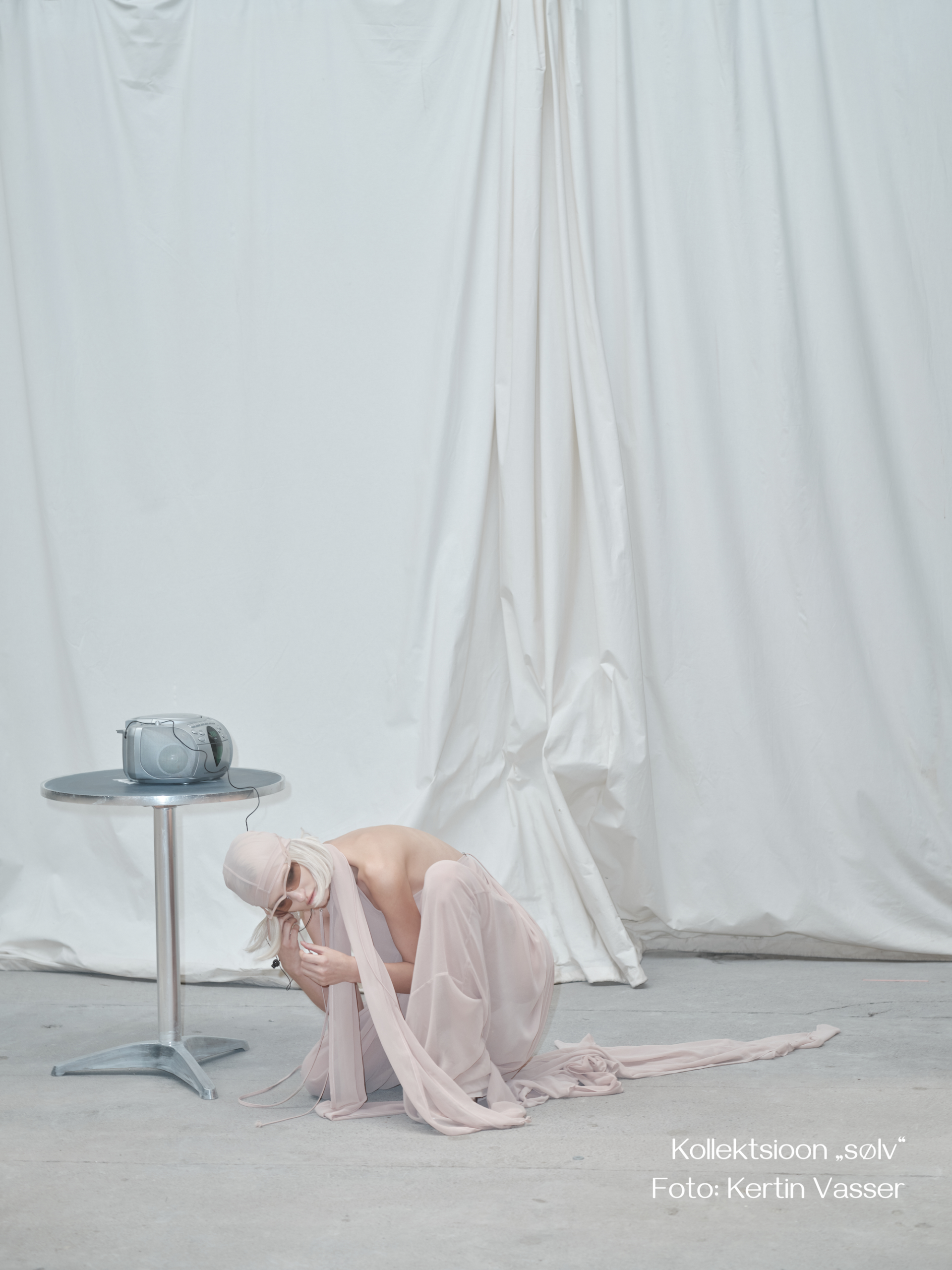
Tööd ja armastust on uude kollektsiooni läinud Randviiril enam kui küll. “Ma olen sellesse pannud kõik, mida olen viie aasta jooksul õppinud ja teinud, et luua oma identiteeti, aga kindlasti toonud juurde ka uuendusi. Kollektsiooni nimi on “sølv”, mis ongi taani keeles “hõbe”. Tahan, et see kollektsioon saaks mu brändi visiitkaardiks. Enamik lõikeid on uued, isegi kui üldine vaib on eelmise kollektsiooniga sarnane. Kindlasti tegin kogu konstrueerimist nii korrektselt kui võimalik, et seda, mis tuleb lavale, saaks ka õmblejatele seeriatootmiseks üle anda.”
Sõbrad ja maagiline kaitserüü
Sillel on vedanud toetavate lähedastega. “Ideid meeldib mulle põrgatada moevaldkonna kaaslastega, näiteks Mari-Ly Kapiga ja Katrin Aasmaaga, kes kuuluvad ka minu parimate sõprade ringi. Siiani olen enamjaolt üksi ja omaette toimetanud, aga brändi kasvuga olen aru saanud, et edasiviiv jõud on hea tiim. Minu unistus on, et varsti on mul stuudios oma õmbleja, et sellest tulenevalt läheks tootmisprotsess lihtsamaks ning kiiremaks. Kõige lähedasemad sõbrad, pere ja mu kaaslane on need, kes nende paari kuu jooksul enne kollektsiooni esitlust on olnud kõige suuremaks toeks nii mentaalselt kui füüsiliselt.”
Mida disainer ise igapäevaselt kannab? Nagu selgub, sedasama võrgutavat musta pusa, mis on mulle terve intetrvjuu aja silma teinud. “Kui peaksin valima eluks ajaks ühe rõiva, siis see oleks must kapuutsiga pusa. Seda ma ilmselt kõige rohkem kannangi igapäevaelus. See on kõige mugavam toode, ükskõik kuidas sa välja näed ja mida päev toob. Seda saab ka erinevalt stiliseerida. Paned alla dressid ja tossud ja oled ülimalt casual, paned alla kontsad ja lähed sellega kontserdile. Lisaks on ta pehme ja soe. Ja mustal pusal on mingi psühholoogiline maagia: kui tahad ennast peita, tõmbad kapuutsi pähe ja saadki omaette ning kaitstud olla!” Ei jää üle midagi muud kui nõustuda.
Ootan väga Randviiri “hõbedaga” kohtumist Tallinna moenädala catwalk’il, kus meid ootavad petlikult lihtsad kleidid, peen rätsepakunst ja pealtnäha lihtne, tegelikult aga maagilist jõudu täis moedisain.
Tänavused Kuldnõel ja Hõbenõel jagatakse sügisese Tallinn Fashion Weeki raames, 28. oktoobril toimuval Kuldnõela galal. Kuldnõelale on nomineeritud Lilli Jahilo, Karl Korsar ja Maria Tammeorg, Hõbenõelale Sille Randviir, Britten Pärkson ja Mari Lemet.

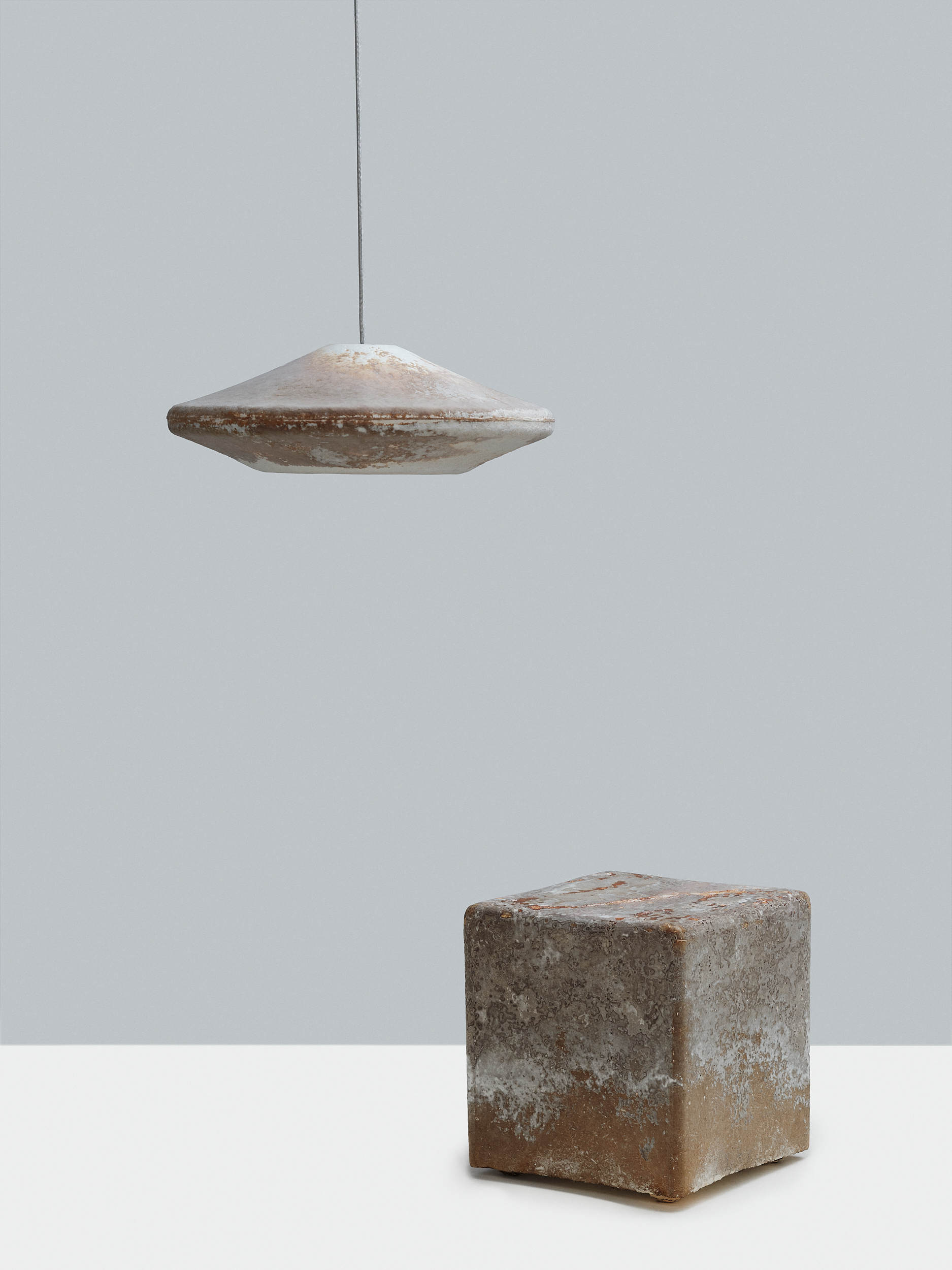
Vestlesime Siimuga sellest, millised materjalid ja tootmisviisid kujundavad homset disaini, kuidas sünnib päriselt konkurentsivõimeline materjaliinnovatsioon ning mis peab muutuma, et tänased eksperimendid jõuaksid homme meie kodudesse, hoonetesse ja igapäevaellu.
Millisel hetkel said aru, et seened ja mütseel ei ole sinu jaoks enam lihtsalt põnev eksperiment, vaid midagi, millele tahad päriselt oma töö ja ettevõtte üles ehitada?
See arusaam tekkis tegelikult alles siis, kui olime Myceeni juba asutanud ja töö täie hooga käis. Ma ei saa öelda, et oleks olnud üks konkreetne hetk, mil otsustasin, et nüüd on nii. Pigem on see olnud orgaaniline kasv selles suunas. Materjali enda potentsiaal andis pidevalt hoogu juurde.
Seenematerjal kõlab endiselt paljude jaoks pisut futuristlikult või isegi veidralt. Mis on kõige suurem eelarvamus, millega Myceen kokku puutub, ja millal muutub „huvitav alternatiivmaterjal“ sinu jaoks päriselt konkurentsivõimeliseks materjaliks?
Minu jaoks on see muutus juba toimunud. Laiema üldsuseni jõuab see teadmine siis, kui suudame materjali toota samas suurusjärgus nagu tavapäraseid materjale. Praegu otsustab turg suuresti selle järgi, mida kasutada, arvestades eelkõige hinda ja omadusi. Kui suudame näidata, et võistleme selles raamistikus, on meie materjalidel eelis, sest tootmine ei sõltu energiamahukatest protsessidest ega esmase tooraine kasutamisest.
Myceen alustas valgustite ja sisustustoodetega, nüüd liigute järjest enam ehitusmaterjalide, sealhulgas isolatsiooni suunas. Kui suur hüpe on liikuda Eesti tootedisaini auhinnaga BRUNO pärjatud tootest materjalini, mida võiks ühel päeval kasutada tuhandetes hoonetes?
Sisustustooted on olnud väga hea vahend uudse materjali tutvustamiseks. Oleme tõestanud, et neid on võimalik toota ka piiratud tingimustes – seda kinnitavad arvukad projektid üle maailma, kodudest baaride ja kontoriteni.
Ehitusmaterjalidega siseneme aga täiesti uude maailma. See eeldab suurt tootmisvõimekust ning seda, et materjalid vastaksid eri turgude nõuetele, mis on kujunenud aastakümneid kasutusel olnud materjalide põhjal. Sellisesse turuloogikasse sissesulandumine võib tunduda keeruline, kuid näen, et isegi oma konservatiivsuse poolest tuntud ehitussektoris on tulemas suured muutused, arvestades seda, kui palju innovatsiooni selle ümber praegu toimub.
Kestlikkusest on saanud disainimaailmas peaaegu kohustuslik sõna. Kuidas eristada sinu meelest tegelikku muutust rohelisest retoorikast ja kas see võiks sinu arvates olla midagi, millega Eesti disain maailmas edu saavutab?
Üleminekuperioodidel võib tunduda, et millestki räägitakse ebavajalikult palju ning tekkida võib isegi väsimus või vastuseis. Tegelik muutus on toimunud siis, kui me ei pea enam kestlikkust müügiargumendina kasutama, vaid saame aru, et see ongi kõige eelduseks, mida teeme.
Üksikute väikeste näidetega ei saavuta aga suuremat edu, mis maailmas silma paistaks. Selleks on vaja riigipoolset toetavat tööstuspoliitikat, sest ainult projektipõhisest rahastusest ei piisa. Hea näide on Itaalia, kus pärast Teist maailmasõda loodi tööstuse moderniseerimiseks väiketootjatele soodsad tingimused maksusoodustuste ja muude toetavate meetmete näol. Selle tulemusel tekkisid tööstuspiirkonnad ja tootmisvõrgustikud, mis omakorda lõid tingimused kohalikele disaineritele. Sõjajärgsed Itaalia disainerid olid kahtlemata geniaalsed, kuid ilma kohaliku tööstuse võimekuseta poleks nad ilmselt saavutanud sellist rahvusvahelist mainet. Ainult heast disainerist ei piisa, vaja on ka tööstust, mis võimaldab tal end täielikult väljendada.
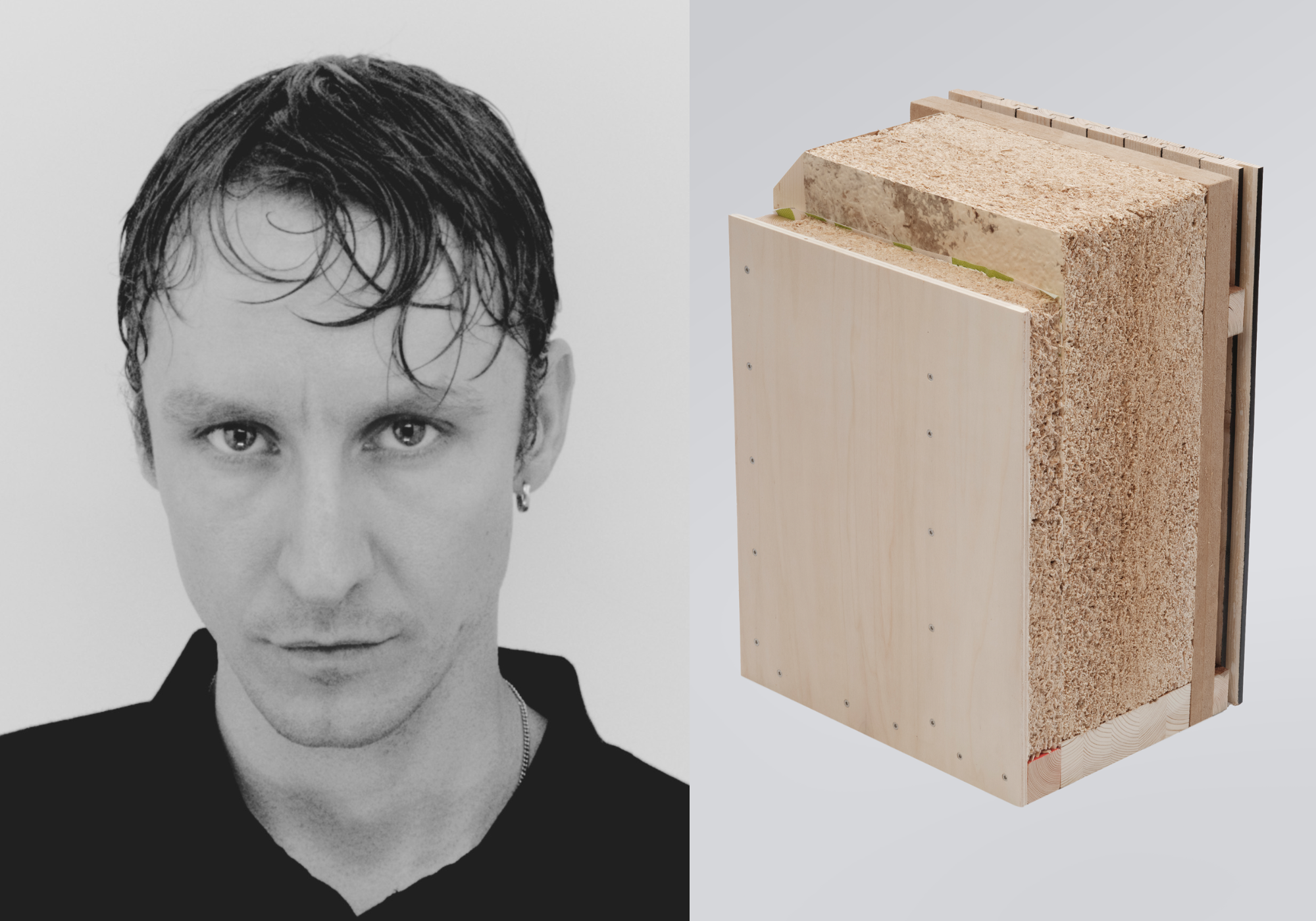
Ilma kogu ettekannet ette ära rääkimata, mis on see üks mõte, mille tahad Disainiöö konverentsi publikule kaasa anda?
See vestlus avabki tegelikult natuke teemat, mida oma ettekandes käsitlen. Tahan rääkida sellest, miks uued lahendused, mis justkui lahendavad tänaseid probleeme, ei jõua kasutusse üleöö.
Milline täna kasutusel olev materjal või tootmisviis võib meile kümne aasta pärast tunduda täiesti vananenud ja keskkonnavaenulik?
Üks teema, millest teadlikkus loodetavasti kasvab, on materjalide mõju tervisele. Tänapäeval väga tavalised materjalid nagu lamineeritud mööbliplaadid, vineer ja isegi liimpuit, sisaldavad liime, sideaineid ja muud ehituskeemiat, mis võib mõjutada inimeste tervist. See on nähtamatu probleem, mida on teaduslikult uuritud, kuid millele pole seni piisavalt tähelepanu pööratud.
Loodan näha ka seda, et praegu veel eksperimentaalsed materjalid on leidnud endale sobiva rakenduse. Ja kui ebamõistlikult toodetud materjalid pole selleks ajaks kasutusest kadunud, siis vähemalt on neid arendatud märksa mõistlikumateks ja keskkonda vähem kurnavateks lahendusteks.
28. septembrist 4. oktoobrini toimub ajaloolises Põhjala tehases juba 21. korda Baltimaade suurim disainifestival Disainiöö. Nädala jooksul leiab aset üle saja eriilmelise disainisündmuse, mis toovad kokku mõjukad disainivaldkonna tegijad Eestist ja välisriikidest. Tutvu programmiga disainioo.ee.