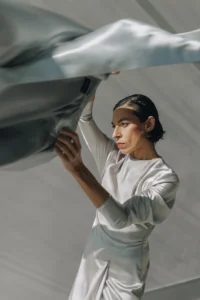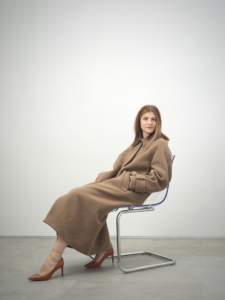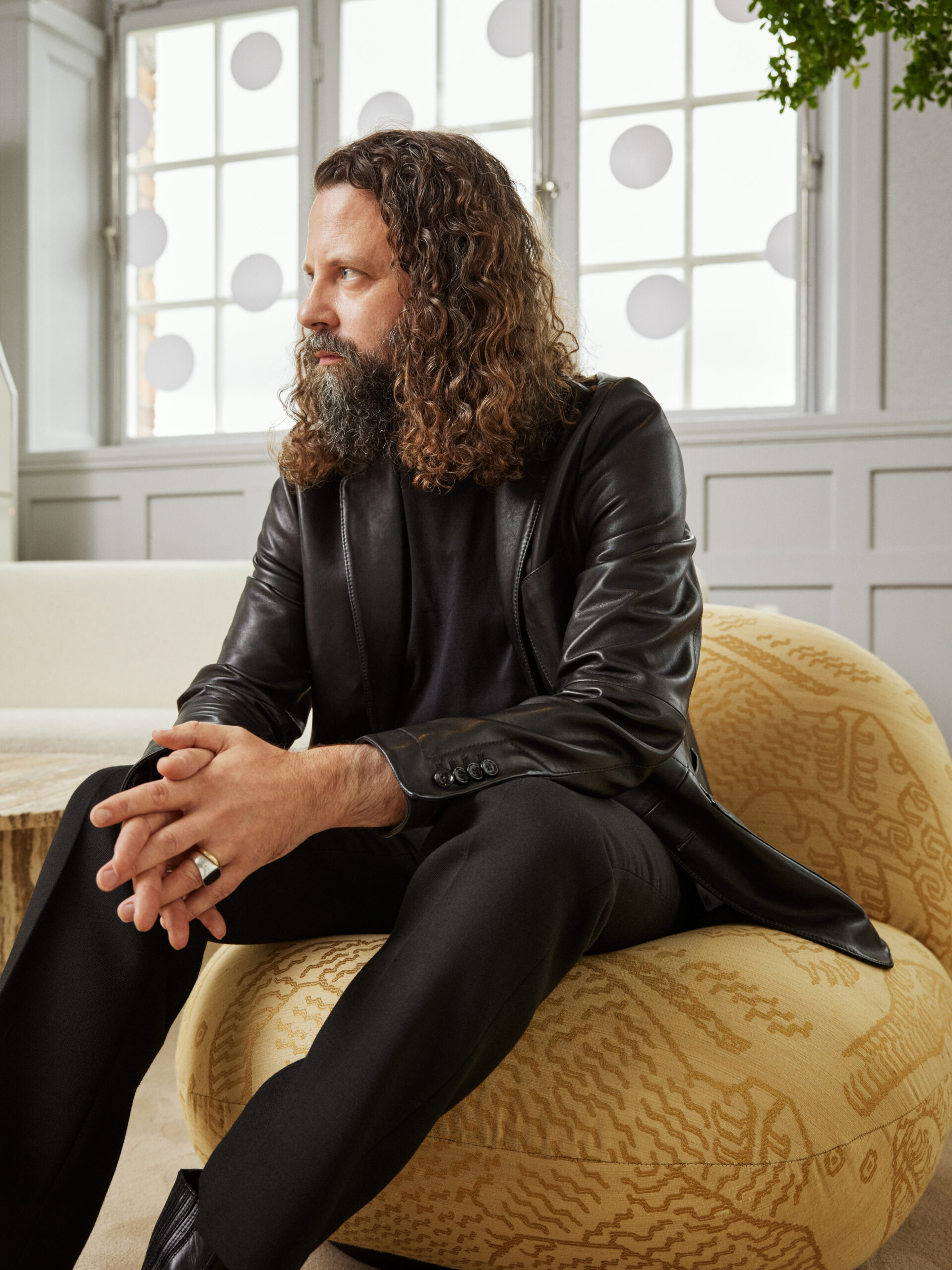
Foto: Neil Lewty | J. Lindeberg.


J.Lindeberg on Rootsi moemärk, mille asutas 1996. aastal Stockholmis Johan Lindeberg. Bränd on tuntud oma kaasaegse ja sportliku, ent samas elegantse stiili poolest, mis ühendab moedisaini ja funktsionaalsuse. Just see eristabki J.Lindebergi ning muudab selle populaarseks nii igapäevases garderoobis kui ka maailma tippspordis, olgu tegu golfi- või tenniseväljakutega. Muide, ka tänavustel Pariisi suveolümpiamängudel võis näha J.Lindebergi disainitud vorme Team USA golfimeeskonna seljas.
Täna, ligi kolm aastakümmet hiljem, on Johan oma nimelise brändi juhtimisest tagasi astunud ning moekollektsioonide eest vastutab disainijuht Neil Lewty, kes on edukalt jätkanud J.Lindebergi pärandit, tehes sellest ühe tuntuma Rootsi moemärgi maailmas. Portail avanes erakordne võimalus Neili intervjueerida – autentsuse huvides avaldame selle inglise keeles.
Neil, for those who are not familiar with your name, tell us a bit about your journey – from your interest in fashion to becoming Creative Director at J.Lindeberg.
Before joining J.Lindeberg in 2020, I held key roles at several fashion houses, including Hugo Boss, Calvin Klein and Tommy Hilfiger.
My move to J.Lindeberg was driven by the brand’s unique positioning at the intersection of fashion and sportswear – a place where I felt I could push the boundaries of what these categories could achieve together. Since then, I’ve been committed to evolving the brand’s aesthetic, blending bold design with innovation and the timeless principles of Scandinavian design, to create collections that resonate with modern people leading an active lifestyle.
Tell us a bit about J.Lindeberg menswear collection that will be available in Tallinn this autumn.
The fall/winter 2024 collection is about our ongoing exploration of the J.Lindeberg “Clubhouse” theme. It takes inspiration from the energy and brand heritage of the early 2000’s, revisiting the iconic era when J.Lindeberg was a trailblazer in both fashion and the sports scene. Back then, we not only dressed music and sport stars for nightclubs but also for golf clubs, leaving a lasting impact on both scenes. For this season, you can expect to see a fusion of traditional ski and golf aesthetics with vibrant prints and technical fabrics, designed to be worn from the slopes to the city streets.
Can you give us some insight into the creative process at J.Lindeberg? How do you and your team stay inspired and push the boundaries of design each season?
Our creative process is deeply collaborative and grounded in a commitment to innovation. We draw inspiration from diverse sources — whether it’s the urban energy of New York or the serene landscapes of Gotland, as seen in our recent collections. Each season, we challenge ourselves to merge these contrasting influences, blending the traditional with the avant-garde, urban with rural, and sport with fashion, resulting in collections that offer something truly unique. Our team is constantly exploring new materials and techniques, and we keep our designs fresh by experimenting with how these elements interact. This approach allows us to push the boundaries of what’s possible, ensuring each collection offers something new and exciting while staying true to our core identity.
J.Lindeberg is known for its fusion of fashion and function, particularly in sportswear. How do you approach blending these elements while maintaining a strong fashion-forward identity?
Blending fashion with function is at the core of J.Lindeberg’s DNA. We start by identifying the needs of our customers who lead active lives but don’t want to compromise on style. From there, we craft pieces that deliver both high performance and a striking aesthetic. Our fall/winter 2024 collection for example, features technical ski wear that’s just as comfortable on the city streets as it is on the slopes. By using these cutting-edge materials and vibrant designs, we can maintain a strong, fashion-forward identity.
Sustainability is a big focus in the fashion industry today. How is J.Lindeberg addressing sustainability in its collections, and what challenges do you face in balancing eco-conscious choices with design?
For every collection, we’re gradually minimizing our impact from design to delivery. Our commitment includes initiatives like our shift to 100% sustainable cotton, PFC-free collections, the increased use of recycled materials and making sure our packaging is 100% climate neutral. Additionally, we prioritize full transparency and traceability, using initiatives like “Track My Down” to ensure customers can verify the ethical sourcing of materials. We also partner with OEKO-TEX® and Bluesign® certified suppliers to ensure that our fabrics meet rigorous environmental and safety standards, further minimizing our ecological footprint.
Balancing these eco-conscious practices with our design and performance standards is an ongoing challenge. However, it drives us to innovate, pushing us to continually explore new methods and materials that align with our sustainability goals while delivering the quality our customers expect.

What is that one item you cannot wait to wear yourself from J.Lindeberg fall/winter collection?
One of my favorite pieces from the fall/winter 2024 collection is a modern take on the classic leather biker jacket. It’s a perfect example of how we’ve reimagined iconic J.Lindeberg designs for the contemporary wardrobe by combining functionality with bold elements. This piece captures the essence of the season, blending nostalgia with a modern twist and reflecting our “Clubhouse” theme.
Tutvu J. Lindebergi sügiskollektsiooniga galeriis ning Kaubamaja Meestemaailmas!
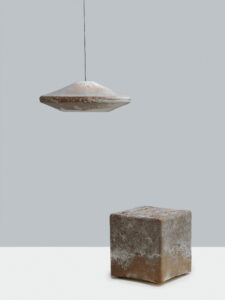

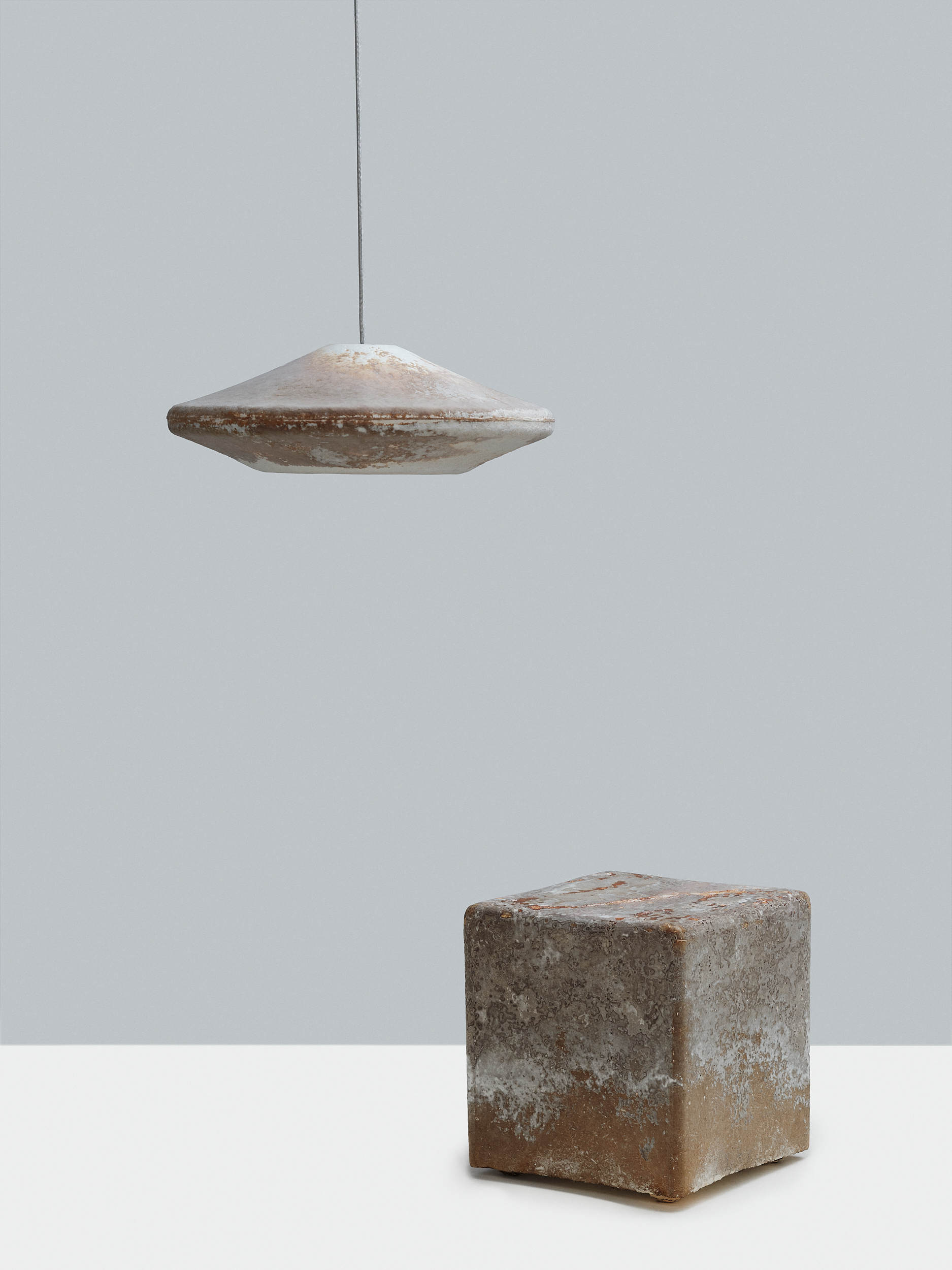
Vestlesime Siimuga sellest, millised materjalid ja tootmisviisid kujundavad homset disaini, kuidas sünnib päriselt konkurentsivõimeline materjaliinnovatsioon ning mis peab muutuma, et tänased eksperimendid jõuaksid homme meie kodudesse, hoonetesse ja igapäevaellu.
Millisel hetkel said aru, et seened ja mütseel ei ole sinu jaoks enam lihtsalt põnev eksperiment, vaid midagi, millele tahad päriselt oma töö ja ettevõtte üles ehitada?
See arusaam tekkis tegelikult alles siis, kui olime Myceeni juba asutanud ja töö täie hooga käis. Ma ei saa öelda, et oleks olnud üks konkreetne hetk, mil otsustasin, et nüüd on nii. Pigem on see olnud orgaaniline kasv selles suunas. Materjali enda potentsiaal andis pidevalt hoogu juurde.
Seenematerjal kõlab endiselt paljude jaoks pisut futuristlikult või isegi veidralt. Mis on kõige suurem eelarvamus, millega Myceen kokku puutub, ja millal muutub „huvitav alternatiivmaterjal“ sinu jaoks päriselt konkurentsivõimeliseks materjaliks?
Minu jaoks on see muutus juba toimunud. Laiema üldsuseni jõuab see teadmine siis, kui suudame materjali toota samas suurusjärgus nagu tavapäraseid materjale. Praegu otsustab turg suuresti selle järgi, mida kasutada, arvestades eelkõige hinda ja omadusi. Kui suudame näidata, et võistleme selles raamistikus, on meie materjalidel eelis, sest tootmine ei sõltu energiamahukatest protsessidest ega esmase tooraine kasutamisest.
Myceen alustas valgustite ja sisustustoodetega, nüüd liigute järjest enam ehitusmaterjalide, sealhulgas isolatsiooni suunas. Kui suur hüpe on liikuda Eesti tootedisaini auhinnaga BRUNO pärjatud tootest materjalini, mida võiks ühel päeval kasutada tuhandetes hoonetes?
Sisustustooted on olnud väga hea vahend uudse materjali tutvustamiseks. Oleme tõestanud, et neid on võimalik toota ka piiratud tingimustes – seda kinnitavad arvukad projektid üle maailma, kodudest baaride ja kontoriteni.
Ehitusmaterjalidega siseneme aga täiesti uude maailma. See eeldab suurt tootmisvõimekust ning seda, et materjalid vastaksid eri turgude nõuetele, mis on kujunenud aastakümneid kasutusel olnud materjalide põhjal. Sellisesse turuloogikasse sissesulandumine võib tunduda keeruline, kuid näen, et isegi oma konservatiivsuse poolest tuntud ehitussektoris on tulemas suured muutused, arvestades seda, kui palju innovatsiooni selle ümber praegu toimub.
Kestlikkusest on saanud disainimaailmas peaaegu kohustuslik sõna. Kuidas eristada sinu meelest tegelikku muutust rohelisest retoorikast ja kas see võiks sinu arvates olla midagi, millega Eesti disain maailmas edu saavutab?
Üleminekuperioodidel võib tunduda, et millestki räägitakse ebavajalikult palju ning tekkida võib isegi väsimus või vastuseis. Tegelik muutus on toimunud siis, kui me ei pea enam kestlikkust müügiargumendina kasutama, vaid saame aru, et see ongi kõige eelduseks, mida teeme.
Üksikute väikeste näidetega ei saavuta aga suuremat edu, mis maailmas silma paistaks. Selleks on vaja riigipoolset toetavat tööstuspoliitikat, sest ainult projektipõhisest rahastusest ei piisa. Hea näide on Itaalia, kus pärast Teist maailmasõda loodi tööstuse moderniseerimiseks väiketootjatele soodsad tingimused maksusoodustuste ja muude toetavate meetmete näol. Selle tulemusel tekkisid tööstuspiirkonnad ja tootmisvõrgustikud, mis omakorda lõid tingimused kohalikele disaineritele. Sõjajärgsed Itaalia disainerid olid kahtlemata geniaalsed, kuid ilma kohaliku tööstuse võimekuseta poleks nad ilmselt saavutanud sellist rahvusvahelist mainet. Ainult heast disainerist ei piisa, vaja on ka tööstust, mis võimaldab tal end täielikult väljendada.
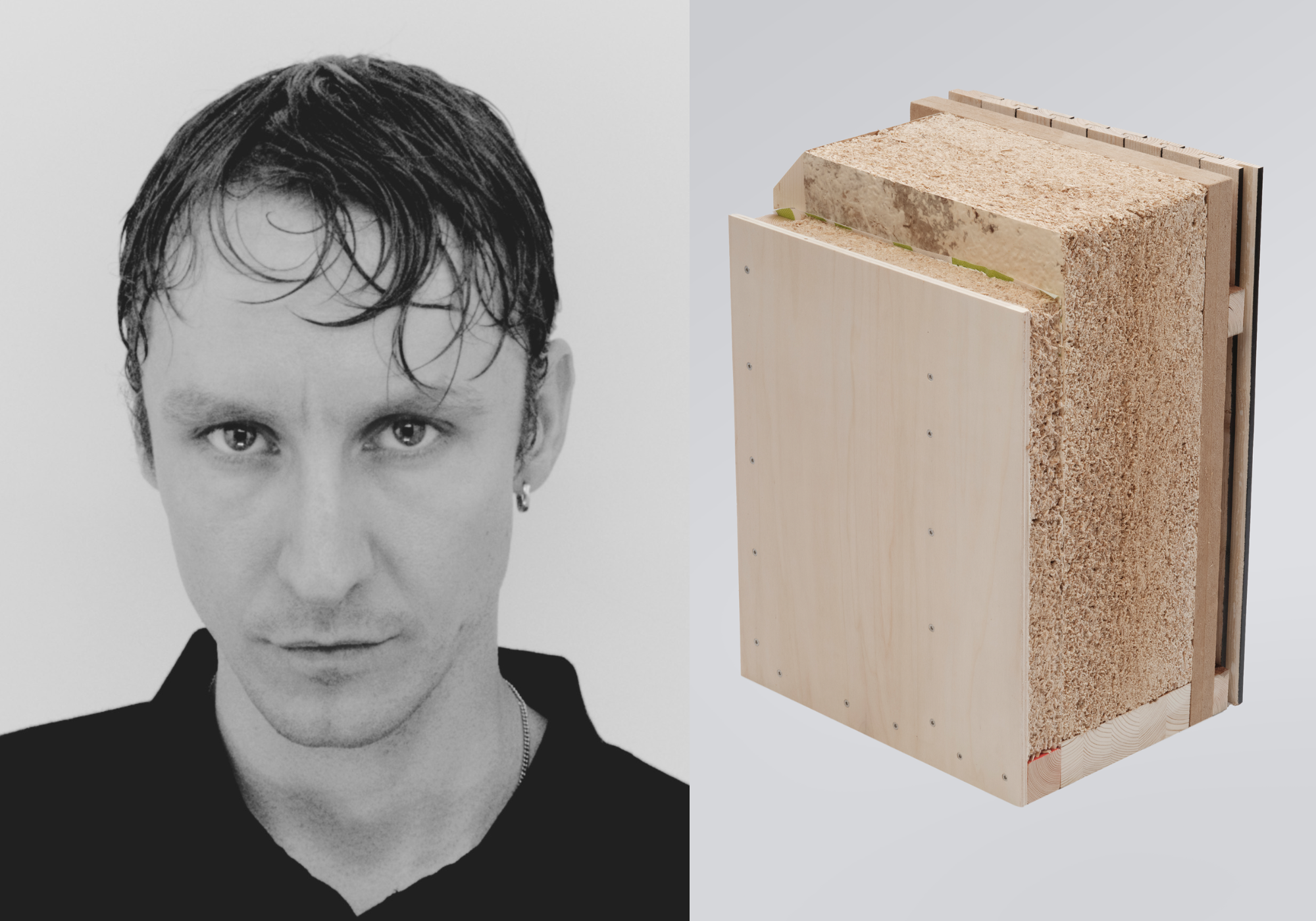
Ilma kogu ettekannet ette ära rääkimata, mis on see üks mõte, mille tahad Disainiöö konverentsi publikule kaasa anda?
See vestlus avabki tegelikult natuke teemat, mida oma ettekandes käsitlen. Tahan rääkida sellest, miks uued lahendused, mis justkui lahendavad tänaseid probleeme, ei jõua kasutusse üleöö.
Milline täna kasutusel olev materjal või tootmisviis võib meile kümne aasta pärast tunduda täiesti vananenud ja keskkonnavaenulik?
Üks teema, millest teadlikkus loodetavasti kasvab, on materjalide mõju tervisele. Tänapäeval väga tavalised materjalid nagu lamineeritud mööbliplaadid, vineer ja isegi liimpuit, sisaldavad liime, sideaineid ja muud ehituskeemiat, mis võib mõjutada inimeste tervist. See on nähtamatu probleem, mida on teaduslikult uuritud, kuid millele pole seni piisavalt tähelepanu pööratud.
Loodan näha ka seda, et praegu veel eksperimentaalsed materjalid on leidnud endale sobiva rakenduse. Ja kui ebamõistlikult toodetud materjalid pole selleks ajaks kasutusest kadunud, siis vähemalt on neid arendatud märksa mõistlikumateks ja keskkonda vähem kurnavateks lahendusteks.
28. septembrist 4. oktoobrini toimub ajaloolises Põhjala tehases juba 21. korda Baltimaade suurim disainifestival Disainiöö. Nädala jooksul leiab aset üle saja eriilmelise disainisündmuse, mis toovad kokku mõjukad disainivaldkonna tegijad Eestist ja välisriikidest. Tutvu programmiga disainioo.ee.
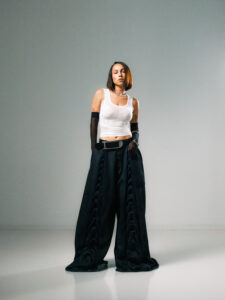
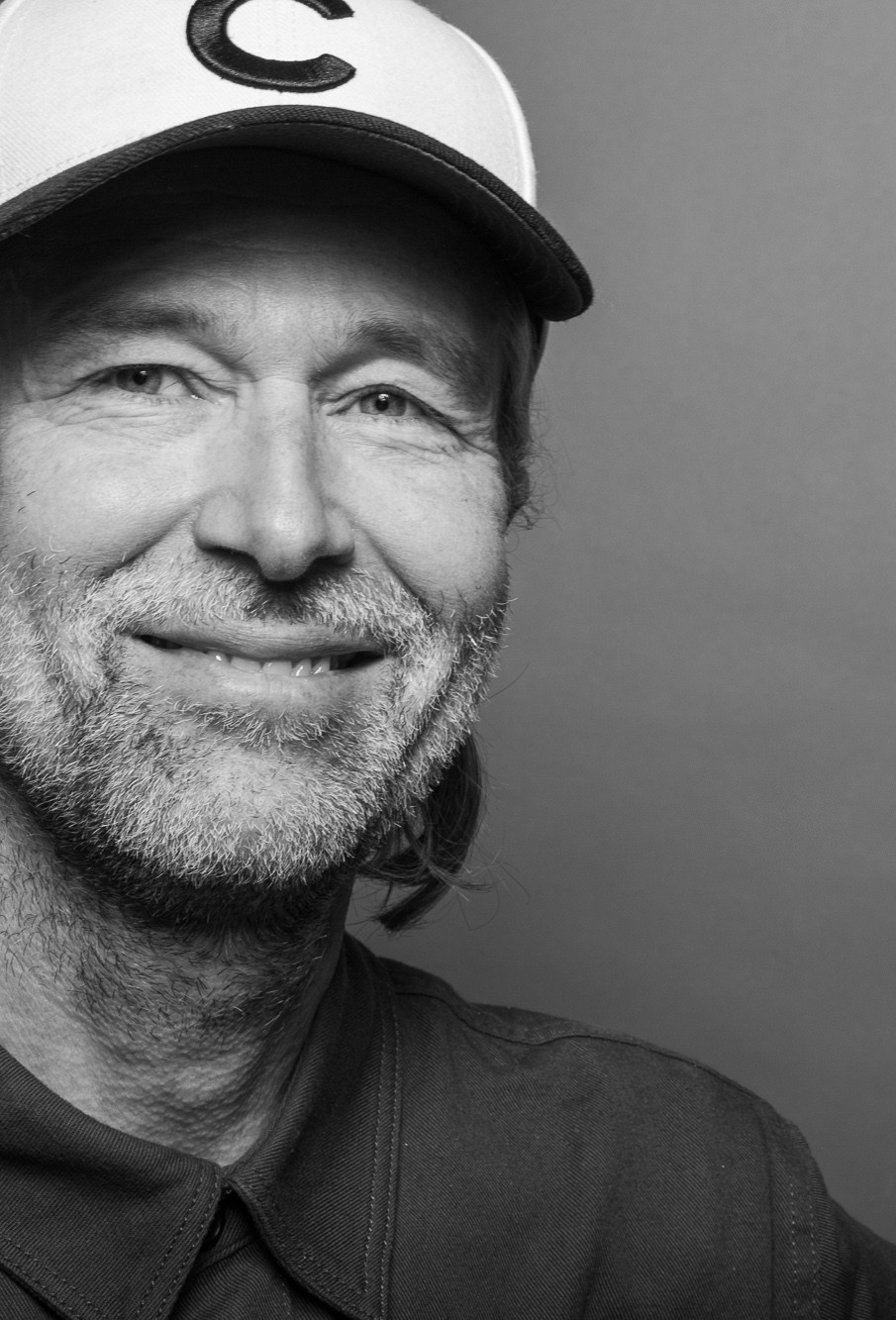
Tänavusel Disainiööl on tal mitu rolli: ta on Eesti tootedisainiauhinna BRUNO žürii esimees, toob Suurbritanniast festivalile tootedisaini tulevikule keskenduva näituse „Well Made“ ning astub üles ka rahvusvahelisel konverentsil. Rääkisime temaga disaini mõttest ja vastutusest, inimese ja toote suhtest, tehisintellekti mõjust loovusele ning sellest, milliseid oskusi vajab disainer tulevikus.
Luke, sinu töö paikneb sageli inimese, toote ja ruumi kokkupuutepunktis. Mida on nii erinevate keskkondade kujundamine sulle inimkäitumise kohta õpetanud?
Mind on alati paelunud tasakaal selle vahel, kui palju disain peaks inimest suunama ja kui palju võimaldama tal ise kohaneda. Üks asi, mida olen õppinud, on see, kui erakordselt kohanemisvõimelised on inimesed. Väga sageli muutub süsteemi kohanevaks osaks just inimene: me muudame oma käitumist, et sobituda ümbritseva toote või keskkonnaga. Sellel võib aga olla nii praktiline kui emotsionaalne hind. Räägin sageli „loomulikest lahendustest“ – sellest, et peaksime inimeste tegelikke vajadusi ja käitumist mõistma piisavalt hästi, et disain töötaks nendega koos, mitte ei sunniks inimesi disainiga kohanema. Mõnikord sünnib selline lahendus järk-järgulise täiustamise kaudu, teinekord tuleb probleem täiesti teisiti lahti mõtestada.
Mis on disainiteadmistes sellist, mida oleksid soovinud mõista juba oma karjääri alguses?
Tõenäoliselt ettevõtte juhtimise olemust. Äriroll ja loovstuudio juhtimine ei sobitu alati loomulikult. Loovinimestena tahame katsetada, otsida ja uurida, kuid kõik see nõuab aega ja aeg maksab. Tasakaalu leidmine äri majanduslike vajaduste ja loovuseks vajaliku vabaduse vahel on midagi, mida oleksin soovinud palju varem mõista.
Disainiöö festivali raames avatav näitus „Well Made“ keskendub nutikale, tulevikukindlale disainile. Osa väljapanekust on ka Eesti tuntud inimeste poolt esitatud hea disaini näited. Millised neist jäid eriti silma?
Eesti valik on minu jaoks huvitav just seetõttu, et seal on tunda isiklikku emotsiooni ja kohati ka nostalgiat. Esimesena tooksin välja KIRA saapad, mille valis Anne Kahru. Mulle meeldib materjalide taaskasutus ja eriti see, et need ei mõju väliselt üldse taaskasutatud materjalist tootena. Ivika Luisu valitud tuubivõti on omakorda hea näide disainist, mis lahendab teise disaineseme ebatäiuslikkust – me kõik oleme püüdnud kreemi- või hambapastatuubist seda viimast osa kätte saada. Mall Nukke valitud lõuendi pingutustangid on täiesti pragmaatiline tööriist valdkonnas, mis ise sageli pragmaatilisusele ei allu. Priit Tenderi valitud Ida-Aafrika kikoi meenutab aga, et lihtsus võib olla ühtaegu väga rafineeritud, kaunis ja hoolikalt teostatud. Samuti näitab see, et eseme väärtus on väga sageli palju enamat kui ainult selle praktiline funktsioon.
Eesti on väike riik tugeva digikultuuri ja järjest nähtavama disainiskeenega. Mida ootad BRUNO auhinna žürii esimehena Eesti disainilt?
Üks põhjus, miks ma omal ajal stuudio lõin, oli soov avastada, reisida ja mõista, kuidas eri kultuurid disainile lähenevad. Ma ei ole varem Eestis käinud, seega on aus vastus: ma veel ei tea, mis siin teisiti on, ja just seda ma teada tahangi. Mõnikord on need erinevused väga peened, teinekord aga sügavad ning mõjutavad kogu mõtteviisi, millest disain lähtub. Kõige rohkem huvitabki mind kultuuriline nüanss.
Tehisintellekt suudab sekunditega genereerida ideid, kujutisi ja tootekontseptsioone. Mis on sinu arvates see, mida AI disaineris asendada ei suuda?
Ma ei ole kindel, kas AI tegelikult ideid genereerib. AI suudab kindlasti luua erakordseid ja sageli lausa uskumatuid kujutisi, kuid me laseme end kergesti petta: kui lõpptulemus näeb tõeline välja, eeldame, et ka selle taga toimuv mõtteprotsess peab olema samaväärne.
Praegu näen AI-d eelkõige filtreeriva ja keskmistava tööriistana. See kogub, koondab ja ühtlustab. Kõik, mis läheneb päris loovusele, näib endiselt sündivat inimese antud suunast ja küsimusest ning see on, nagu hea loovjuhtimise puhul ikka, väga oluline osa protsessist. Halvimal juhul käitub AI nagu kehv disainer: plagieerib, muudab olemasolevaid ideid või on teistest niivõrd otseselt mõjutatud, et esitab sisuliselt kellegi teise mõtteid uues vormis. See ei tähenda, et loovus nõuaks täiesti originaalset mõtlemist. Miski ei sünni vaakumis. Me kõik võtame endasse varasemaid mõjutusi, laename, tõlgendame ümber ja ehitame olemasolevale edasi. Parimal juhul on AI juba praegu erakordselt võimas tööriist, ehkki veidi nagu jonnakas laps – ta ei tee päris seda, mida tahad, ja kindlasti mitte alati siis, kui tahad. Oleme selle tehnoloogiaga alles väga varases arengufaasis ning ma ei kahtle, et aasta pärast võiksin sellele küsimusele juba teisiti vastata.
Suurepärase disaineri teeb raskesti asendatavaks terve elu jooksul kogunenud nähtamatu mõjutuste ja teadmiste kiht: kogemused, tähelepanekud, vestlused, vead, emotsioonid, kultuurilised viited ja lugematu hulk asju, mille omandamist me ise ei pruugi teadvustadagi. Sellest üsna korratust voost sünnibki mingil moel loovus. Samas on disain väga lai valdkond. Suur osa sellest puudutab korda, head planeerimist, täiustamist, tõhusust, optimeerimist ja üha enam ka oskust teha vähemaga rohkem. Need omadused on teataval määral programmeeritavad ning just nendes valdkondades võib AI inimesest üsna kiiresti mööduda. Seda tasub ära kasutada ja võtta AI-d kui väga võimsat tööriista.
Tõeliselt originaalne loovmõtlemine on midagi muud. Kuni me ei suuda luua algoritme, mis päriselt jäljendavad seda kummalist ja sageli irratsionaalset protsessi, mille kaudu inimene õpib ja loob, ei usu ma, et AI suudab suurepärase disaineri täielikult asendada. Küll aga võib ta muutuda väga osavaks sellise mulje jätmisel. Paljude inimeste jaoks võib tulemus üsna pea olla juba piisavalt lähedal. Meie ülesanne on sellega kohaneda.
Kujutame ette, et kohtume uuesti aastal 2036. Mis on tootedisainis ja disaineri töös laiemalt selleks ajaks täiesti muutunud ning mida loodad näha endiselt samasugusena?
Usun, et AI lihtsustab tohutult paljusid protsesse ja kaotab vajaduse mitmete oskuste järele, mida disainerilt seni eeldati. See muutus on vältimatu. Samas on disain eelkõige mõtteviis ja oma olemuselt kohanemisvõimeline, mistõttu usun, et disaineri põhiline lähenemine jääb alles. Veel üsna hiljuti vajas disainer väga konkreetseid füüsilisi oskusi: tuli osata visandada, teha makette ja prototüüpe, mõista materjali, füüsikat ja konstruktsiooni ning omada head käe-silma koordinatsiooni. Arvutipõhised tööriistad on seda juba pikalt muutnud. CAD ja renderdamine võimaldavad ideid veenvalt esitleda ka siis, kui inimene ei oska hästi joonistada. Sellised visualiseeringud võivad olla sedavõrd realistlikud, et hakkavad mõjutama meie hinnangut ideele endale – samamoodi võis halb visand kunagi jätta suurepärasest ideest halva mulje. AI viib selle muutuse veel palju kaugemale. Osa inseneriarvutusi, konstruktsioonianalüüse ja isegi kolmemõõtmeliste kujutiste loomist saab järjest enam automatiseerida. Alles jäävad inimlikud oskused ja ma arvan, et just neid valdavad parimad disainerid. Disain on alati tähendanud kohanemist keskkonna, nõuete ja probleemidega. Võimalik, et probleemid ise ei muutu kuigi palju, kuid viis, kuidas me neid lahendame, muutub väga selgelt.
Ajaloos oleme sedalaadi tehnoloogilisi nihkeid varemgi näinud. Tööstusliku kangakudumise tulek kaotas kunagi tohutul hulgal seniseid töökohti, kuid asemele tekkisid uued rollid ja inimesed kohanesid. AI puhul on muutuse ulatus siiski teistsugune, eriti nüüd, kui tehisintellekti agendid saavad täita ülesandeid meie ja ka teiste AI-süsteemide eest. Suur muutus tuleb kindlasti, kuid inimese osa ei kao niipea. Disaini parim külg ongi inimlikkus – empaatia ja oskus mõista teist inimest. Oskused võivad muutuda ja osa neist kaotada tähtsuse, kuid disainmõtlemine ise peaks jääma.
Esined 1. oktoobril Tallinnas Disainiöö rahvusvahelisel konverentsil, mille keskmes on tootedisaini tulevik. Mis on see üks mõte või küsimus, millega tahad, et publik sinu ettekandelt lahkuks?
Minu jaoks on keskne küsimus, milline on disaini väärtus ja eesmärk ning kuidas kasutada disaini positiivse muutuse tööriistana. Meie võime uusi asju kiiresti luua on muutunud peaaegu ülemääraseks – midagi uut valmistada on odavam ja kiirem kui kunagi varem. 1930.–1950. aastatel oli tööstusdisain väga praktiline tööriist, tihedalt seotud tööstusliku tootmisega: see aitas anda vormi ja tähenduse objektidele, mille puhul inseneridel ei pruukinud olla selleks vajalikke oskusi, ning tõlgendada inimeste vajadusi. Tänaseks on disain minu meelest osaliselt muutunud millekski muuks ja halvimal juhul taandunud lihtsalt turundusvahendiks. Seetõttu tahan uuesti küsida, mis on disaini tegelik väärtus ja eesmärk väljaspool turundust.
28. septembrist 4. oktoobrini toimub ajaloolises Põhjala tehases juba 21. korda Baltimaade suurim disainifestival Disainiöö. Nädala jooksul leiab aset üle saja eriilmelise disainisündmuse, mis toovad kokku mõjukad disainivaldkonna tegijad Eestist ja välisriikidest. Tutvu programmiga disainioo.ee.